
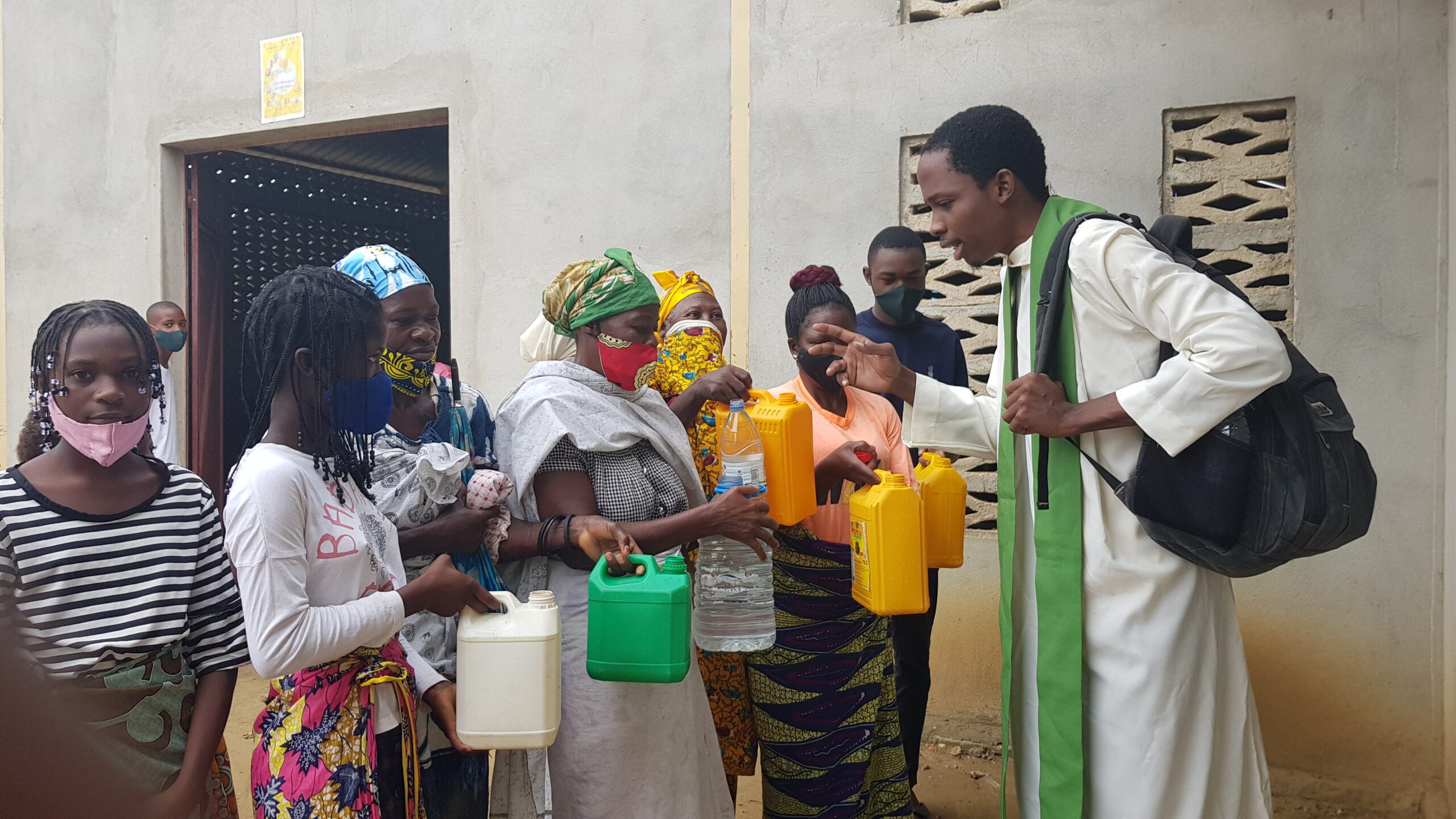
If a missionary runs a parish in exactly the same way as any other priest, how does his missionary vocation make a difference?
This is a question that may seem unsettling, but one that perhaps deserves to be asked. Not because other priests lack missionary zeal; many are deeply committed to missionary work. But rather because this question invites us to examine what our specific vocation, as members of missionary congregations, brings to the communities we serve. How should our missionary identity shape our approach to pastoral care? And if this identity influences neither our pastoral priorities and choices nor our relationship with the souls entrusted to our care, where does it manifest itself concretely in our daily work?
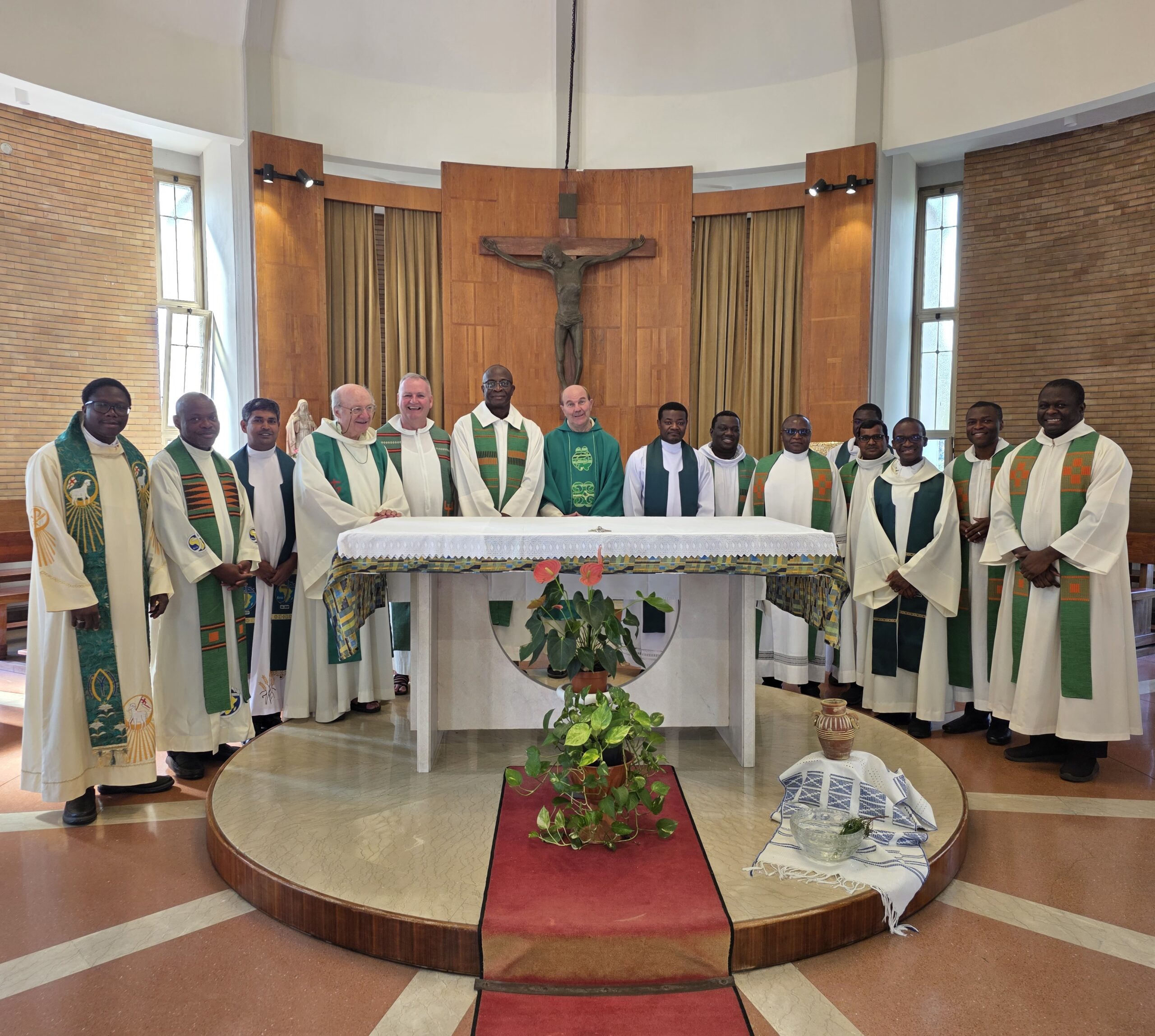
This question lies at the heart of one of the six aspects of our life and mission that Fr François du Penhoat invited us to reflect upon during the opening Mass of the academic and pastoral year at the Generalate: the renewal of our missionary creativity. It also echoes the call of the General Assembly 2025 to evaluate and renew our missionary methods in response to current realities (cf. GA 2025, no. 71 & 74).
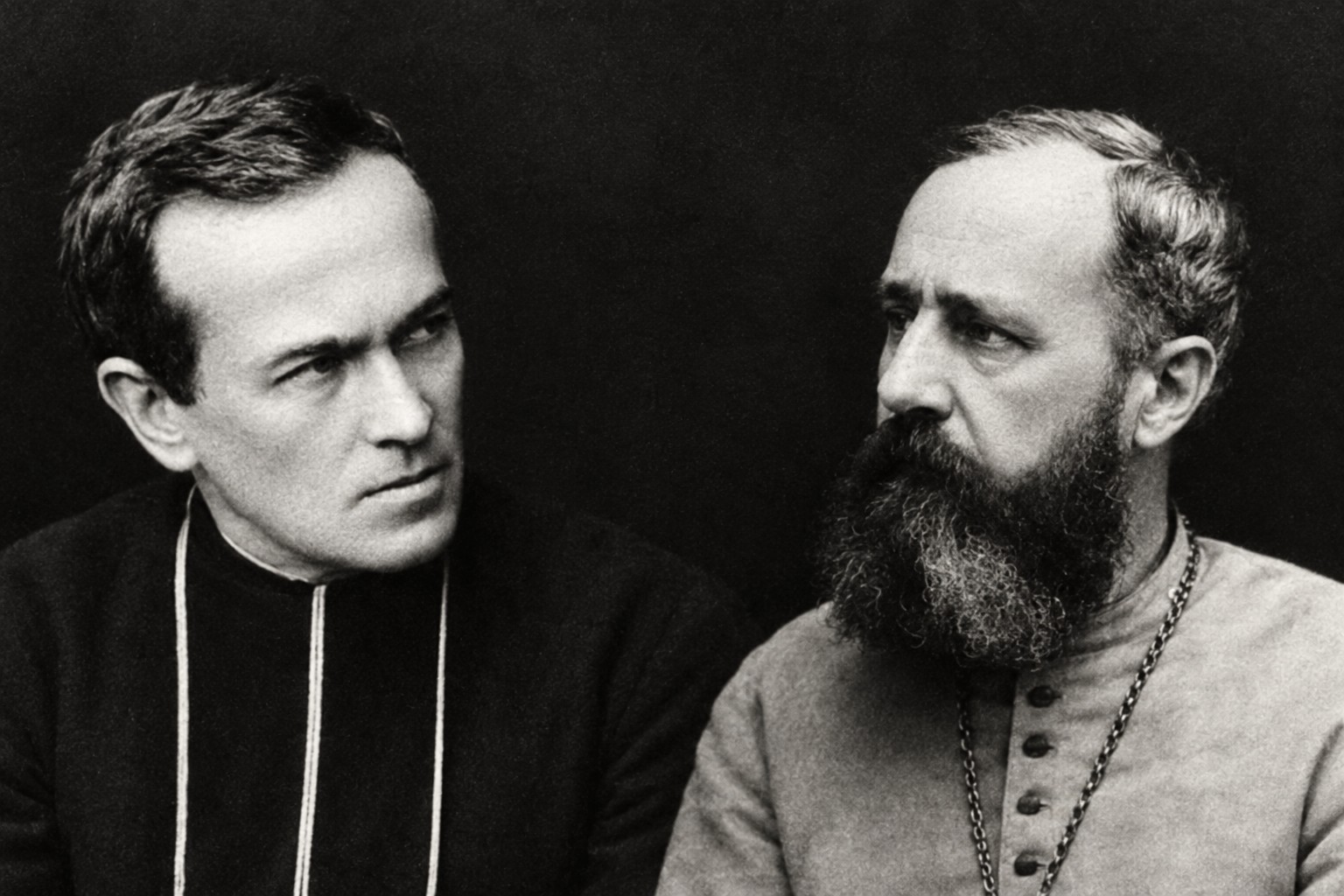
Recalling the words of Bishop de Brésillac, for whom “the role of a missionary is not simply to be a parish priest,” (quoted by Gilles Babinet, SMA, Life of Bishop de Marion Brésillac, p. 38), Fr François du Penhoat invites us to reflect on what makes our presence in a parish distinctively missionary, and whether we might not be managing parishes rather than building them into true missionary communities.
Running a parish is an important pastoral responsibility. It entails celebrating the sacraments, accompanying families, preparing people for Christian life, visiting the sick, and fostering the spiritual growth of the community. These are essential aspects of pastoral care, and a missionary bears just as much responsibility for them as any other priest.
However, a parish may have regular Masses, well-structured liturgical celebrations, dynamic associations, and an active parish council, while paying little attention to those who never cross the threshold of the church. Its members may be well served, while people on its geographical or social margins remain largely ignored. Its pastoral calendar may be full, yet its missionary outreach remains limited.
Such a parish is not necessarily failing to meet its responsibilities. The question, rather, is whether it is fully realizing its missionary potential.
For missionary congregations, this question cannot be secondary. Especially since they were not established merely to provide pastoral services wherever a need arose. Their vocation is rooted in the proclamation of the Gospel and in a specific missionary commitment to the peoples and Churches they are called to serve. In the case of the SMA, this translates notably into a special concern for the most abandoned and marginalized. This charism should shape not only where we work but also how we work and the priorities guiding our ministry.
Thus, it becomes essential for us to examine our current practices in light of the charism we have received (cf. GA 2025, no. 71 & 74):
Are we simply maintaining what already exists, or are we looking for new ways to meet the needs of the people we serve? Do our activities help the parish open itself more fully to the broader mission of the Church, or are they primarily aimed at supporting its internal life?
What about “the peripheries and persons with special needs” (cf. GA 2025, no. 74) : those who no longer attend Mass, families who have drifted away, young people who feel disconnected from the Church, migrants struggling to find their place, the poor who remain invisible, and those who have never had a meaningful encounter with the Gospel? How can we reach out to them? What initiatives could bring the Church closer to their lives? And what should we change in our own pastoral approach to make this possible?
These questions are not an invitation to abandon the ordinary responsibilities of parish life. They merely serve as a reminder that these responsibilities must serve a broader purpose. A parish is not only a community to be nurtured; it is a community called to participate in the mission of the Church. Its members are not only recipients of pastoral care but also agents of evangelization.
As missionaries, we are invited to assist them in becoming more aware of their missionary responsibilities, both within their local communities and beyond, so that our parishes increasingly become what the General Assembly 2025 calls “communities of missionary disciples” (cf. GA 2025, no. 73).
This also raises the question of our relationship with the local clergy. Missionaries have much to learn from diocesan priests, who often possess a deep understanding of the people, culture, and pastoral realities of the communities they serve. We must not assume that every established practice must be replaced simply because we are missionaries. Nor should we blindly adopt all the pastoral practices around us without asking whether they align with our missionary priorities.
Missionaries and diocesan priests celebrate the same sacraments, preach the same Gospel, and respond to the same pastoral needs. The distinction does not necessarily lie in the activities themselves, but in the missionary vision that shapes them: the questions we ask, the people we prioritize, the initiatives we encourage, and the broader horizons we open up for the communities we serve.
The challenge here lies in learning from the local Church while remaining faithful to the particular charism we bring to it, offering a witness capable of challenging, inspiring, and enriching the Church as a whole.
These considerations lead to another question, perhaps even more revealing: if a missionary leaves a parish after several years, what should remain from his time there?
Naturally, he should leave behind a community strengthened in the faith, people who have received the sacraments, and pastoral structures capable of carrying on the work. These are important fruits of pastoral care.
But shouldn’t there also be a deeper missionary consciousness? Shouldn’t parishioners be better prepared for evangelization, shouldn’t marginalized people be more visible to the community, and shouldn’t the parish be more aware of its responsibility toward the universal Church?
If the only legacy we leave behind is the continuation of parish activities, we may need to ask ourselves whether we have fully lived out the missionary dimension of our vocation.
Missionary success is not measured solely by the number of initiatives undertaken or programs carried out. True missionary fruitfulness also encompasses conversion, relationships, the uprising of local responsibility, and a community’s ability to carry on the mission beyond the presence of any specific priest.
What is sure, for the SMA, the goal is not simply to have missionaries working in parishes. What matters most is that our presence helps make those parishes more missionary.
For, ultimately, the question is not whether we are good parish priests, but whether we have remained missionaries.
Brice Ulrich AFFERI
Leave a Reply