
By Pierre-Paul Dossekpli
Plenary Council Lagos 2026, Day 8
On 15 May 2026, Pope Leo XIV signed his encyclical Magnifica Humanitas on human dignity in the age of artificial intelligence. The date is no coincidence: it marks the 135th anniversary of Rerum Novarum, the founding encyclical of the Church’s Social Doctrine. By choosing this day, Leo XIV deliberately weaves the new rope from the threads of the old.
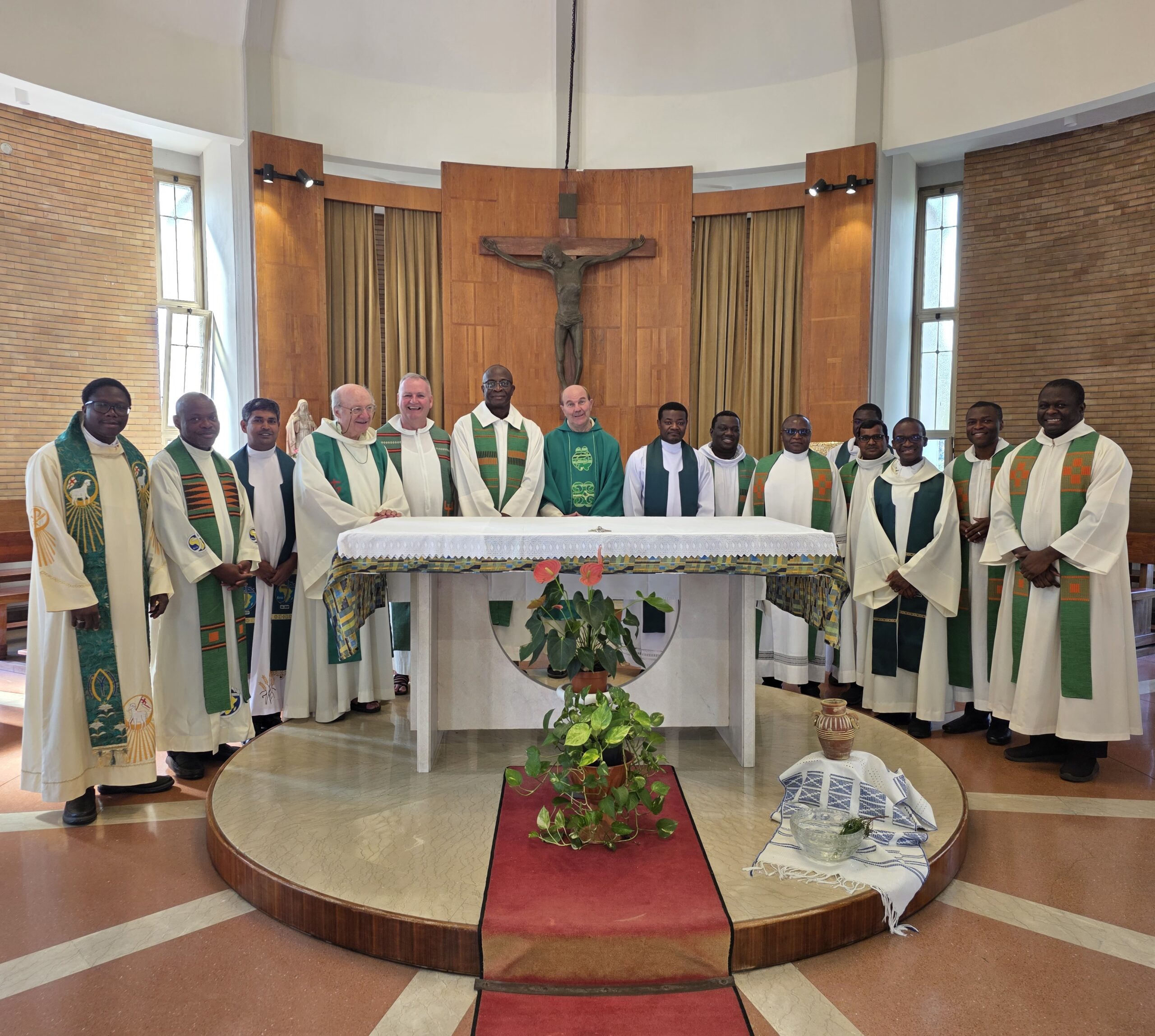
Published on 25 May, the encyclical finds an unexpected echo: in Lagos, the Society of African Missions (SMA) is holding its Plenary Council. What the Pope says to the world, the SMA is living out just a few kilometres from the Gulf of Guinea.
An Encyclical for a Humanity at the Crossroads
“In the age of artificial intelligence, where human dignity risks being eclipsed by new forms of dehumanisation, we have an urgent duty to remain profoundly human.” (§15)
The Pope structures his reflection around two biblical images: the Tower of Babel, symbol of technological pride without reference to God, and Nehemiah’s reconstruction of the walls of Jerusalem — the image of a work that restores bonds before laying stones. Faced with the great challenges of AI — concentration of power, the invisible slavery of digital workers, disinformation, autonomous weapons — he extends for the first time the principles of Social Doctrine to data and algorithms, now considered universal goods.
Lagos: Where the Encyclical Takes Flesh
Lagos is not a neutral backdrop. Africa holds a considerable share of the raw materials that make the global digital economy possible: coltan and cobalt from the Democratic Republic of Congo, lithium from Zimbabwe and Mali, bauxite from Guinea, manganese from Gabon. Without them, no smartphones, no data centres, no artificial intelligence.
But Africa is not merely a reservoir. Magnifica Humanitas warns against particular interests that concentrate power and generate conflict — one thinks of the wars ravaging certain mining regions, fuelled by international competition for these resources. The question posed to Africa is therefore that of its own contribution to the global common good: how to develop these riches in the service of its peoples and of all humanity, rather than allowing them to become the stakes of rivalries that tear it apart?
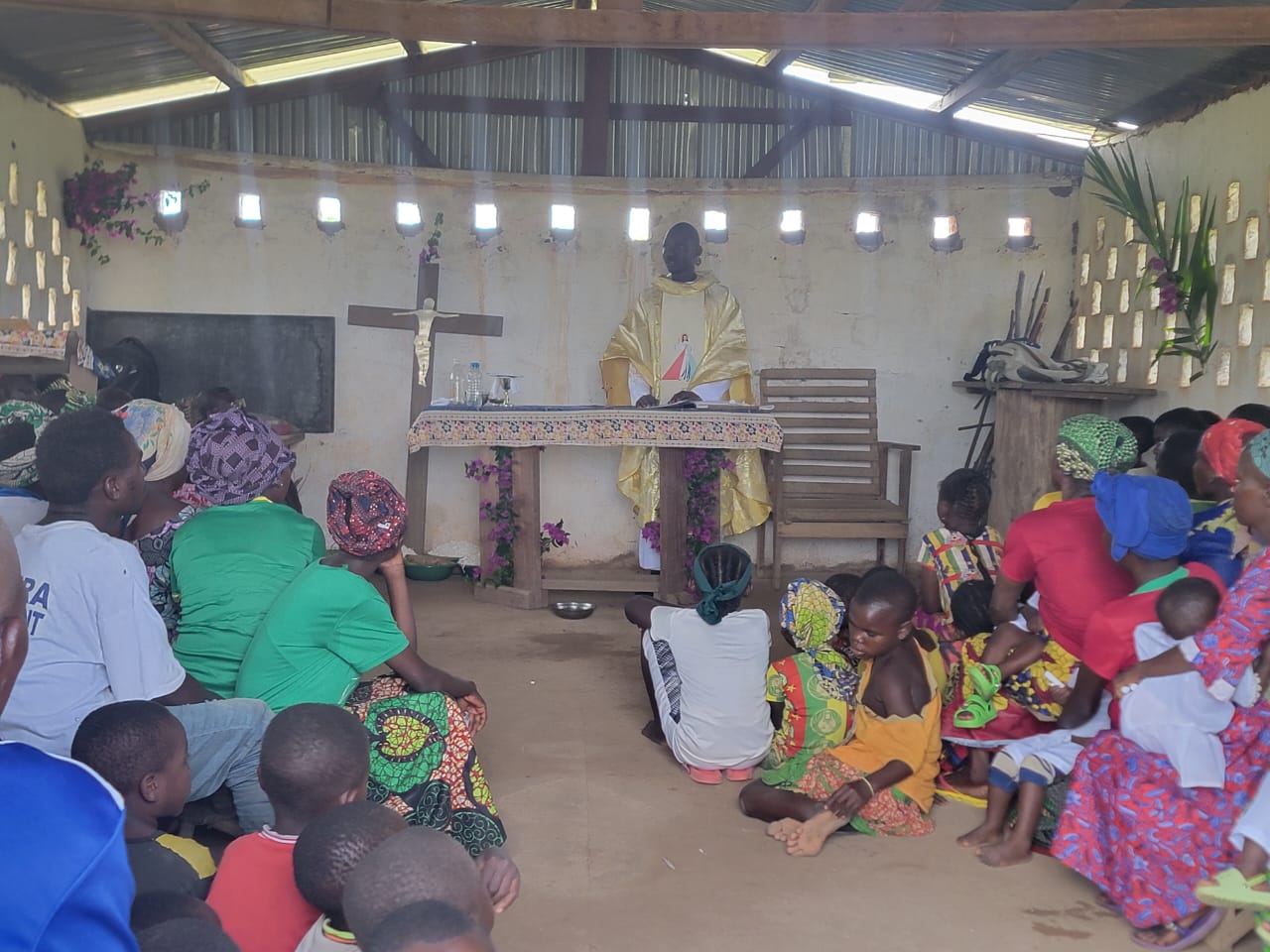
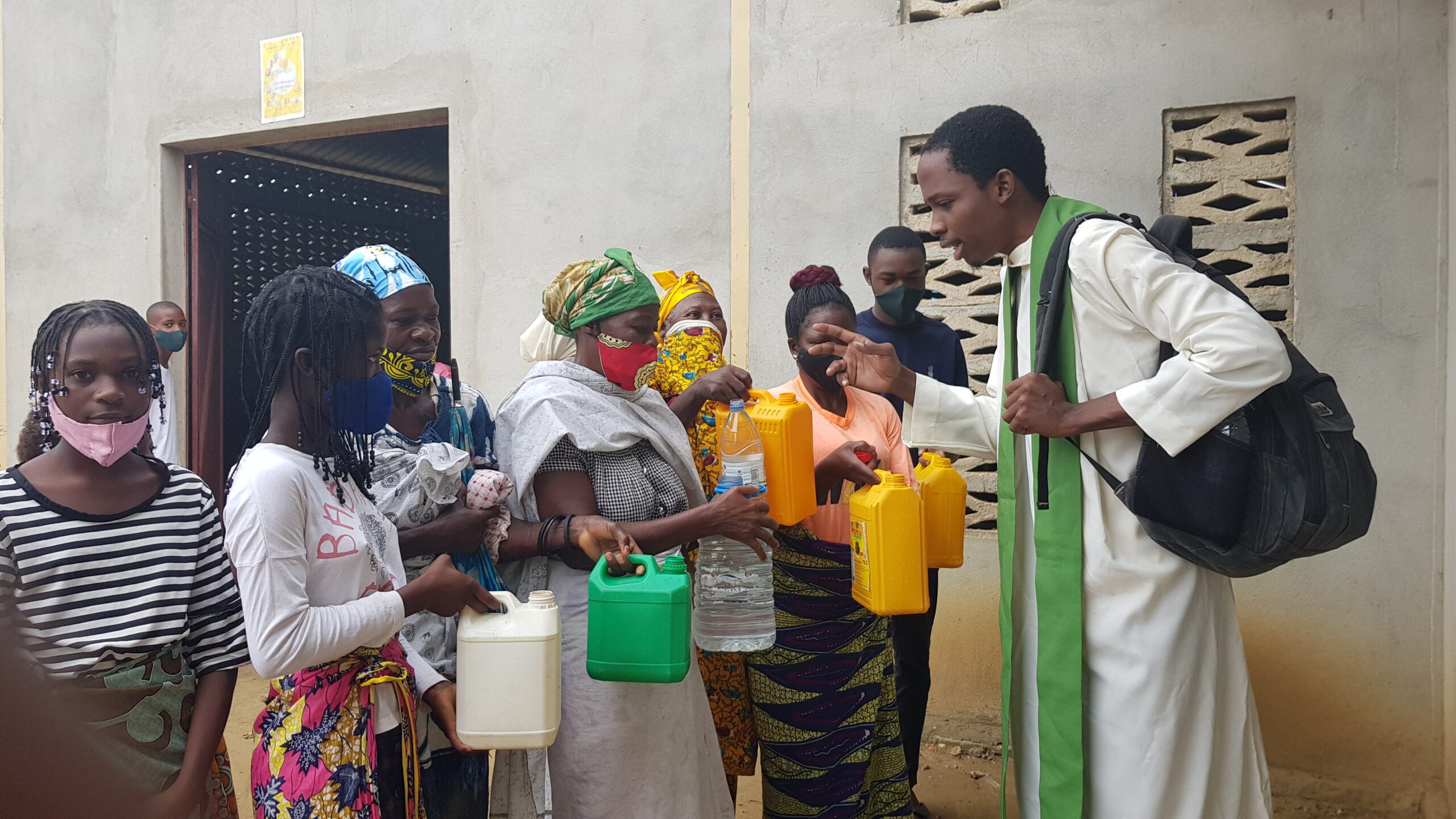
This is where the SMA enters the picture. Present on this continent for 170 years, it accompanies communities living these contradictions daily. By deliberating in Lagos, it embodies what the encyclical calls for: a reflection conducted not on Africa, but from within it.
Three Resonances
Solidarity, first. The Superior General, Father François du Penhoat, recalled at the opening that “the purpose of the Plenary Council is to promote, in a spirit of solidarity, cooperation between entities.” This is exactly what the encyclical asks of the international community in governing AI: that collective power serve the common good, not particular interests.
The temptations of power, next. The opening homily named without hesitation the pitfalls of leadership: manipulation behind fine speeches, seeking one’s own glory, excluding those one has not chosen. The Tower of Babel in the encyclical is the same temptation at a civilisational scale. In a religious community as in a tech multinational, the mechanism is identical.
Conversion, finally. “This requires the conversion of each confrere as well as of our institutions,” said the Superior General. The encyclical says the same to humanity facing AI: better regulation is not enough. A fundamental change of orientation is needed — of hearts and structures simultaneously.
Going forward
The convergence was not planned. It is organic — and that is what makes it eloquent. The SMA Plenary Council in Lagos lives from within what Magnifica Humanitas proposes to the world: solidarity as a mode of governance, subsidiarity as an institutional architecture, resistance to the temptations of power, simultaneous conversion of persons and structures. “It is at the end of the old rope that the new one is woven,” said Father du Penhoat. Leo XIV, by signing his text on the anniversary of Rerum Novarum, did exactly that.
Magnifica Humanitas is available on the Vatican website (www.vatican.va). Its reading is warmly recommended to anyone wondering what it means to remain human in the digital age.
Leave a Reply