
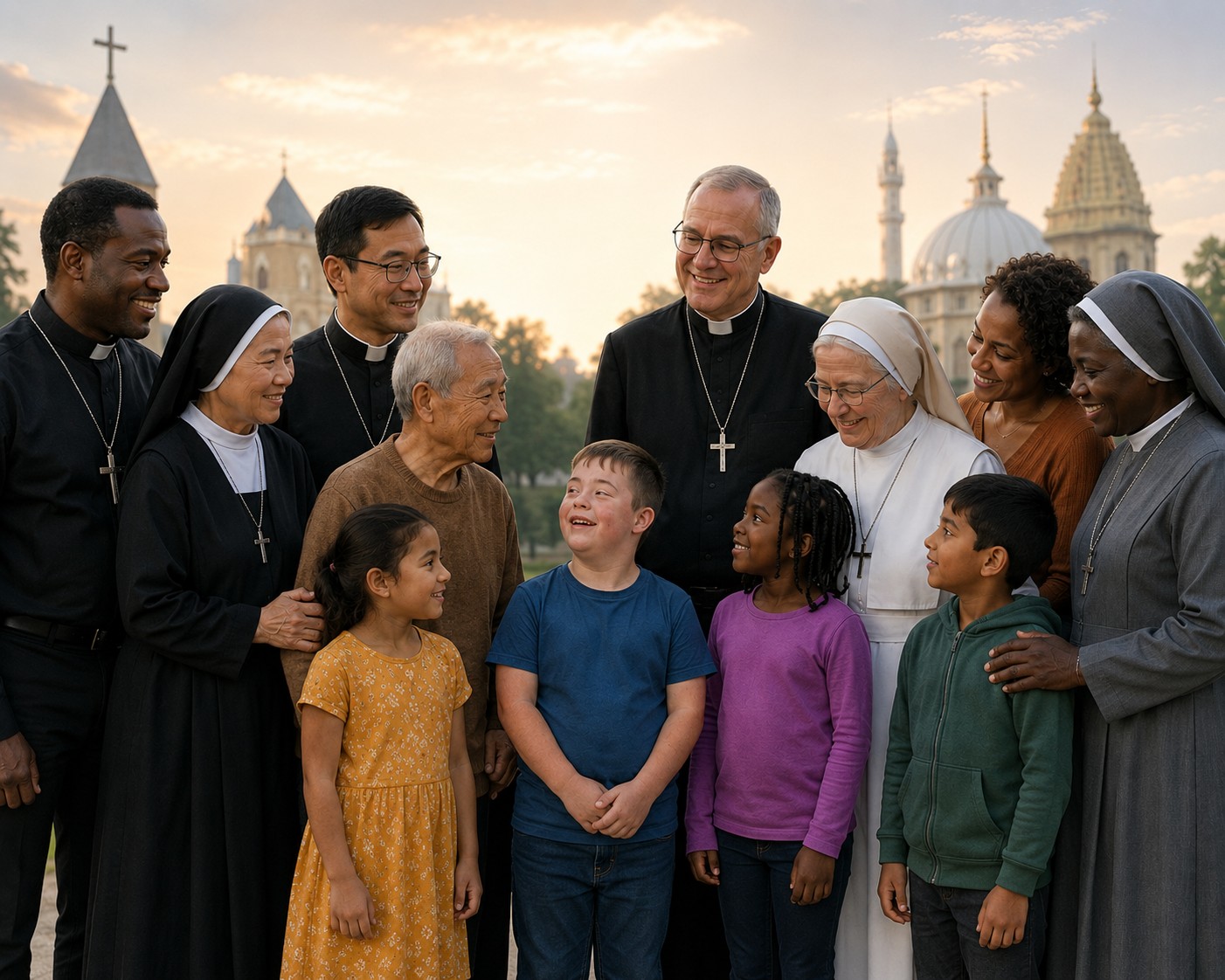
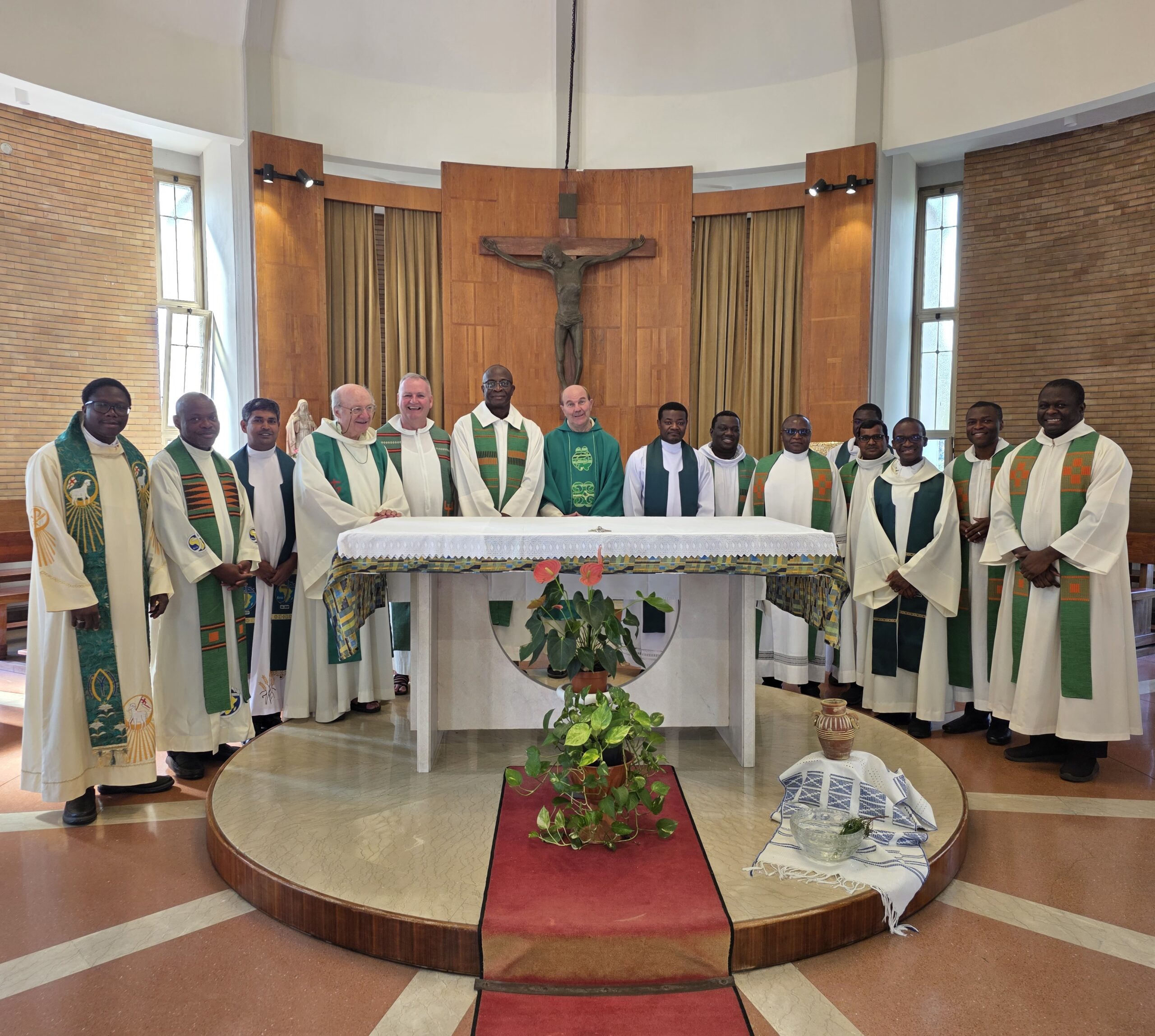
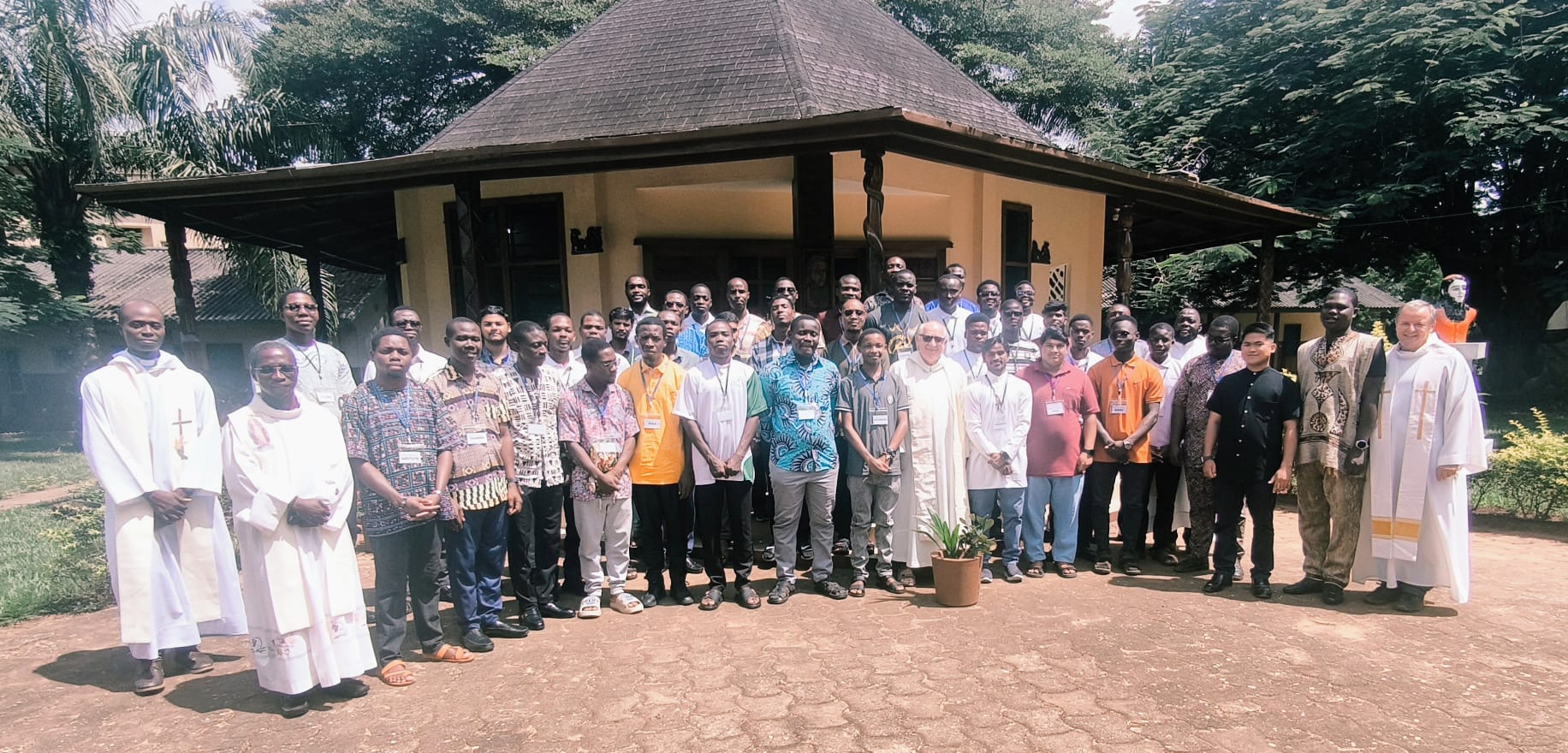
Safeguarding is about making every Church environment safe for children, vulnerable adults and everyone entrusted to the Church’s care. A recent safeguarding workshop for Catholic diocesan clergy in Zambia’s Livingstone Diocese brought this responsibility into focus. The training helped priests understand safeguarding procedures, their leadership responsibilities, and how to respond when concerns or allegations of abuse arise. It also highlighted the need for safeguarding training to reach religious men and women, lay leaders, teachers, catechists and volunteers.
Safeguarding must be put into practice
The Society of African Missions (SMA) recognizes that Church personnel are entrusted with significant responsibility and that children and vulnerable adults can be particularly dependent on those who provide pastoral care. Across the SMA—from the Generalate to the various SMA Units and communities—safeguarding protocols are clearly established and well stipulated. Every SMA member has a responsibility to familiarize themselves with these protocols and to put them into practice, helping to create safe, respectful and accountable environments for children and vulnerable adults. The SMA approach places the safety and welfare of children above the reputation of an individual or the institution when an allegation is made. Concerns should be taken seriously and addressed promptly, while the rights of everyone involved are respected and appropriate authorities are engaged when required.
Clear reporting and prevention
An effective safeguarding system must provide a clear and credible pathway for reporting concerns. Everyone should know who can receive a safeguarding complaint, how a concern is handled, when civil authorities need to be informed and how victims and their families can receive appropriate pastoral and other support. Clear reporting procedures help ensure that concerns are not ignored, delayed or handled informally in ways that could place vulnerable people at further risk.
Prevention is equally important. Safeguarding protocols establish clear expectations for appropriate behavior and professional boundaries when working with children and vulnerable adults. They help Church personnel understand appropriate conduct during pastoral encounters, meetings, activities and other situations where trust and vulnerability are involved. These measures are not intended to create suspicion but to promote responsible relationships, protect those who are vulnerable and provide clear guidance for those entrusted with pastoral ministry.
Vulnerable adults also need protection
Safeguarding is not only about children. Vulnerable adults may include people with disabilities, those experiencing emotional or psychological difficulties, people seeking pastoral counseling and dependent elderly people. Everyone deserves to be treated with dignity, respect and care, particularly when they are in a situation of dependence or vulnerability.
Training creates a culture of protection
A safeguarding policy cannot protect people if those responsible for implementing it do not understand it. Regular training helps priests, religious men and women, lay leaders and volunteers recognize risks, maintain appropriate boundaries and know what to do when something is wrong.
The Livingstone workshop is therefore an important step, but safeguarding must continue beyond one training event. It requires ongoing awareness, accountability and openness throughout the Church and within every SMA Unit and community. The SMA’s safeguarding framework provides a common foundation, but its effectiveness ultimately depends on the commitment of each member to understand the protocols, follow them faithfully and speak up when concerns arise. Safeguarding is therefore not simply a policy or an administrative requirement. It is a shared responsibility and an essential part of the Church’s mission and pastoral care. A safe Church is one where every child and vulnerable adult can expect to be seen, heard, respected and protected.
Leave a Reply