
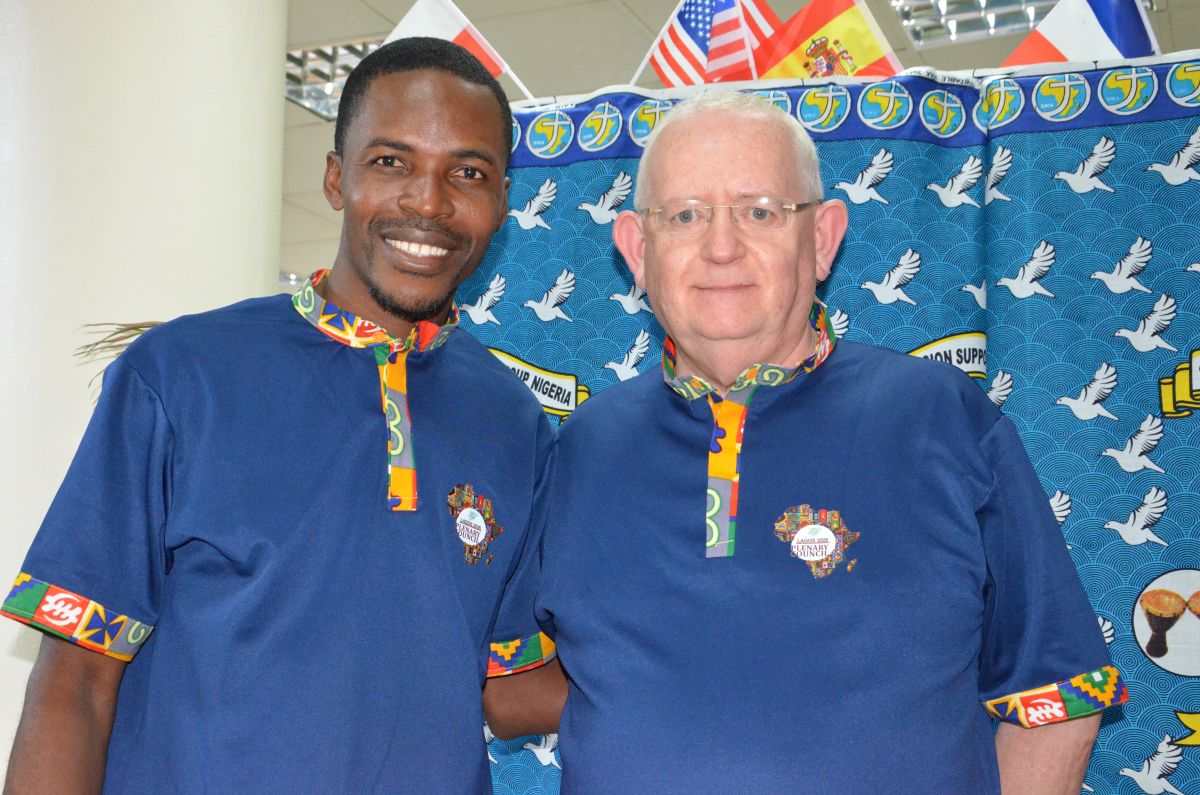
By Pierre-Paul Dossekpli
SMA Plenary Council, Lagos 2026 — Day 3
“We must now deepen our missionary commitments, starting from our identity and our charism, in order to be a truly prophetic presence in our world.” These words from the Superior General set the tone for a full day during which the superiors of the various entities of the Society of African Missions (SMA) took turns presenting the realities of their respective regions.
Who Are We? The Question That Comes Before All Others
Before acting, one must know who one is. This is the deep conviction running through this 3rd day of the plenary council: identity is not merely one starting point among many — it is the foundation. The success of an institution like the SMA rests on the coherence between what it is, what it says, and what it does. Without this alignment, the mission risks being reduced to activism — effective perhaps, but hollow.
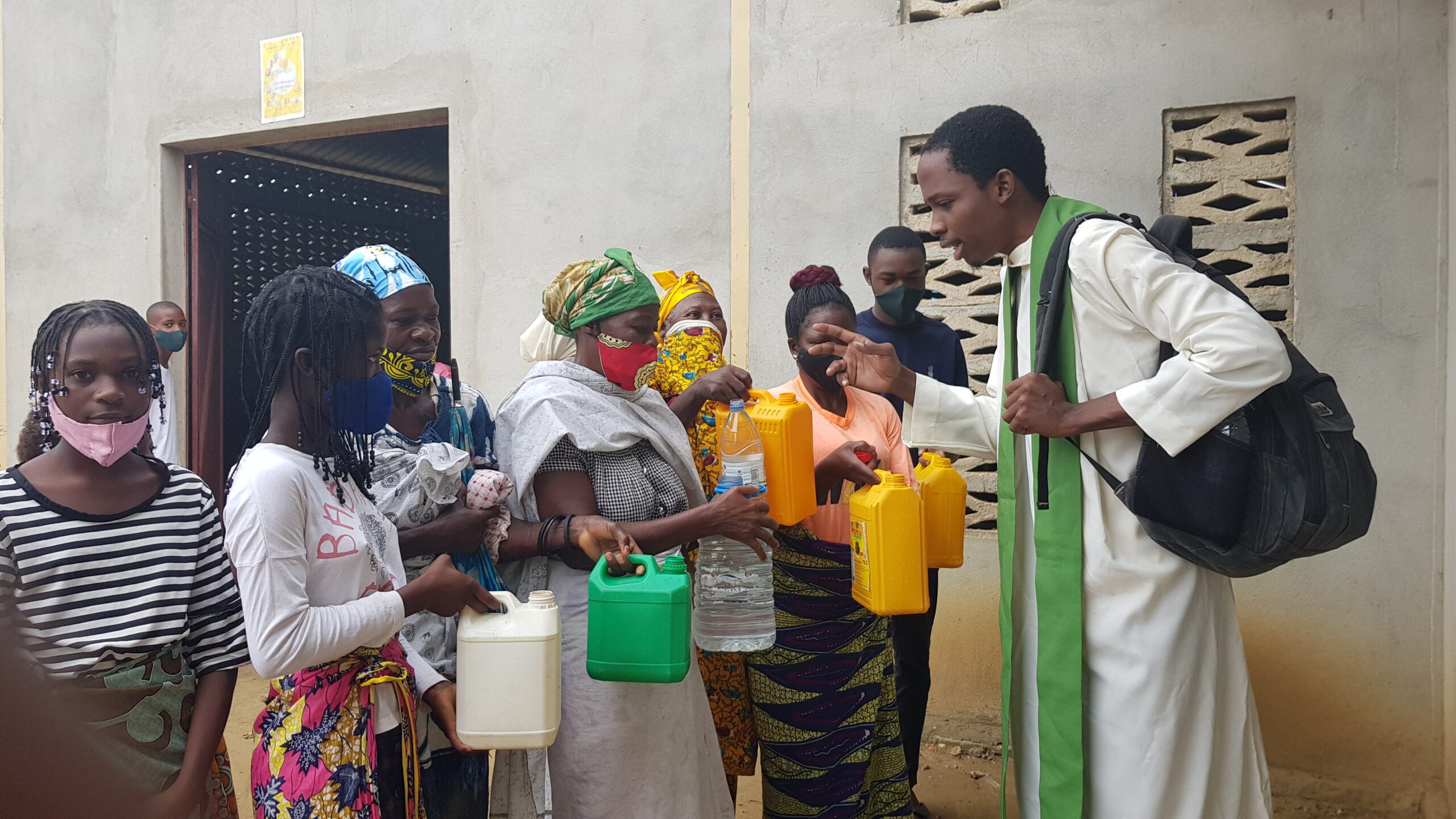
This question of identity is not abstract. It is lived out daily, in communities, in field commitments. Father Valère Mupidi, Superior of the SMA District of the Democratic Republic of Congo (DRC), puts it plainly: “Our identity is to be present in areas of first evangelization, close to those in need, in conflict zones, to walk alongside them.” A sober and powerful definition, rooted in a reality the DRC knows well — where mission is often lived at the very heart of human fragility.
In Zambia, Father William Sinkala, the Unit Superior, explains: “We organize retreats and seminars” — spaces to recharge, to remind oneself why one is there. In Haguenau, in the Province of Strasbourg, the apostolic community takes a different approach: regularly returning to the texts of the General Assembly, letting the foundations speak for themselves.
One Body, Many Faces
The day highlighted the richness and diversity of the SMA body. Each Unit brings its own particularities, resources, and fragilities. “Each entity has something specific to contribute,” it was recalled. This pluralism is not an obstacle to unity — it is unity’s very texture.
But this diversity comes with concrete challenges: visa difficulties, growing political pressures, and increased state oversight of religious organizations’ finances. These are realities that weigh on daily missionary life and demand adaptation and resilience.
Being a Missionary Today: A Permanent Conversion
It was perhaps Father Didier Lawson, General Councilor, who most clearly articulated the inner demands of this renewed mission: “We must breathe with both lungs: the communal lung, and the personal lung.” A striking image, speaking at once to interdependence and the necessity of a nourished inner life.
Several phrases resonated in the room as invitations to conversion:
- “Mission happens where life is wounded.”
- “Missionary zeal suffocates where one no longer knows the context.”
- “The time of the missionary who knows everything is over.”
- “To detach oneself from the logic of possession and enter into the logic of gift.”
- “Finances are a tool, never a driving force.”
These words sketch in the background the profile of the contemporary missionary: humble, grounded in reality, sensitive to the wounds of the world, and free from all forms of grip — whether money or prestige.
Continuity as Commitment
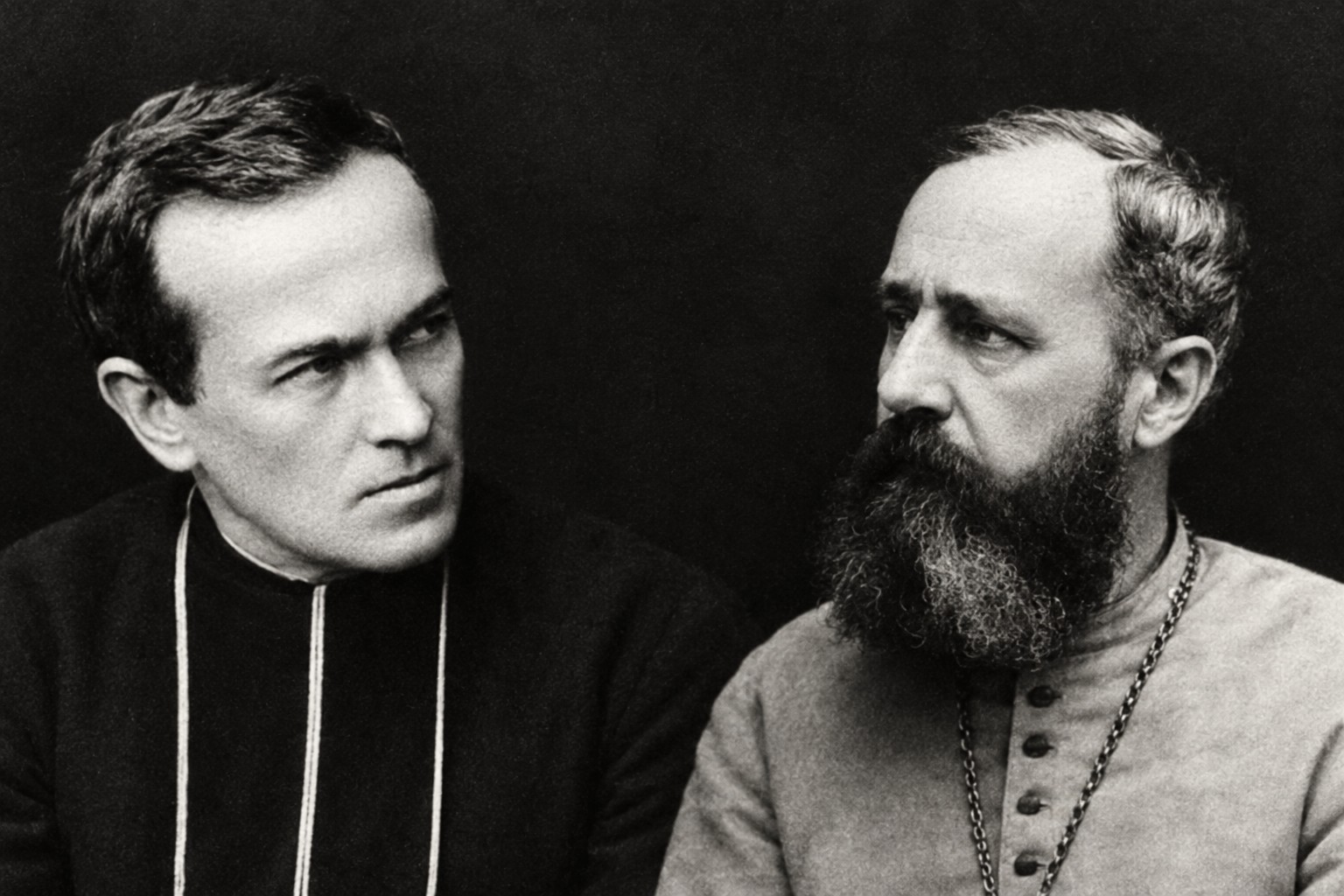
“We are dwarfs standing on the shoulders of giants.” It was with this striking phrase that the Superior General introduced his reflection on the SMA’s heritage. Drawing on African wisdom — it is at the end of the old rope that the new one is braided — he paid tribute to the pioneers of the Society, following in the footsteps of The Venerable Bishop de Marion Brésillac, praising their perseverance and their spirit of common endeavor.
He also gave thanks to those who, from the 1950s and the Second Vatican Council onward, were able to bring about the theological turn of Mission: reflection on inculturation, a new ecclesiology, and openness to the world. Finally, he commended all those who have given the SMA its current face — a missionary Society where interculturality is lived day by day and where everyone responds together to the challenges of Mission. “We place our steps in theirs, invoking the help of the Lord to be worthy of what they began,” he concluded.
To be SMA today is also to recognize oneself as heir to a long chain. “We are the body that governs the entire Society,” it was said, with the awareness that this responsibility commits not only the present, but the future. Continuity in mission is not mere faithfulness to the past; it is a living act, one that requires, as the council emphasizes, “a conversion of each of the confreres as well as of our institutions.”
By returning to their identity, the members of the SMA are not seeking to turn inward. On the contrary, they are seeking to draw from their roots the strength for a more prophetic, more free, more authentic presence — equal to the challenges of a world that, too, is searching for its identity.

Leave a Reply