
By Pierre-Paul Dossekpli
Plenary Council, Lagos 2026
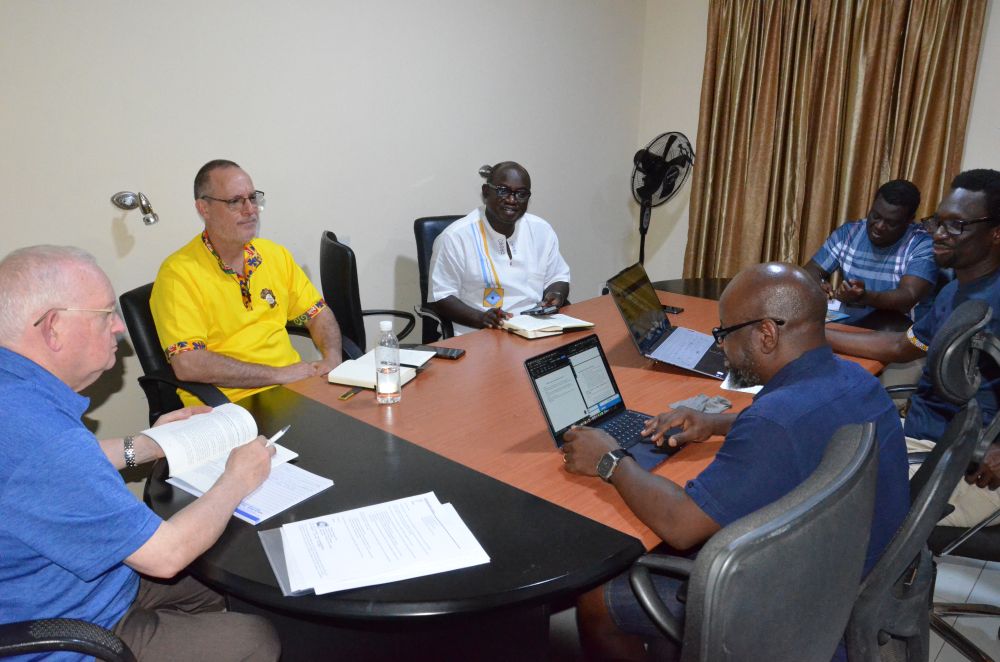
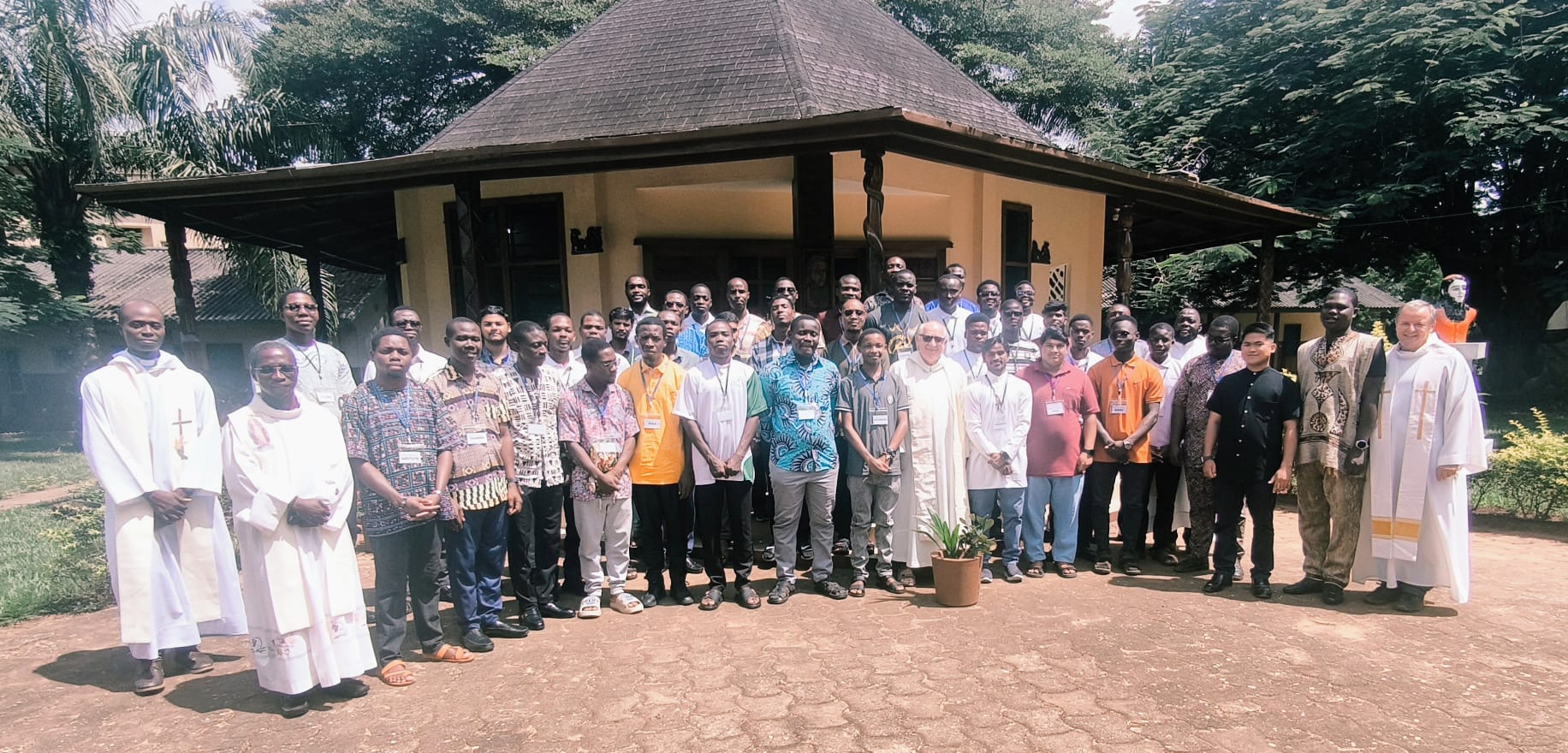
On this sixth day of the Plenary Council 2026, on the eve of Pentecost, the members set aside the plenary hall for something more intimate. Divided into five working groups — Care, Well-Being and Spirituality; Mission, Collaboration with Laity and JPIC; Integral Formation; Good Governance and Synodality; and Finance — they bent over tables, exchanged notes, and did what the Church has always done at its best: think together.
It is a scene that goes back to the beginning of the Church. When the first disciples gathered after the Resurrection, bewildered and uncertain, they did not wait for a single voice to give them direction — they stayed together. It is precisely this quality of togetherness that Pope Saint John Paul II highlighted at his General Audience of July 29, 1998, drawing our attention to the earliest portrait of the Christian community in action:
“The Acts of the Apostles show us the first Christian community united by a strong bond of fraternal communion: ‘All who believed were together and had all things in common; and they sold their possessions and goods and distributed them to all, as any had need’ (Acts 2:44-45). There is no doubt that the Holy Spirit is at the root of this demonstration of love.” — Pope Saint John Paul II, General Audience, July 29, 1998.
Something of that same Spirit seemed to move through the rooms today. Fr. German Patiga, District Superior of the Philippines, captured it with a simplicity that no theory could improve on:
“There are instances where we almost agree on the same thing, but we continue to share more, to deepen our sharing — with that common sense of the same, our common understanding of what is going on.”
“It is something very good, because it can be true to this person, and another person from a different perspective — but the same understanding.”
The moment he described is one that anyone who has ever been in a truly good meeting will recognise: the point where separate minds arrive, almost by surprise, at the same place. For Fr. German, it happened around the question of formation.
“There was a moment we were talking about formation, and we were stuck on the fourth year of theology. Then someone said it has to start from the early part of formation. One said it, and the entire group came to the same conclusion. Then I even said: it has to start from the preparatory year.”
A single voice, and a room changes direction. That is group work at its best.
Fr. François du Penhoat, Superior General of the SMA, was candid about both the gift and the limits of the method:
“The advantage of working in groups is that each person focuses on one aspect and we save time. But dividing the work means you don’t have a grasp of the whole process.”
He added with a smile: “But I think we were happy to work in groups, because we were a little tired of the plenary sessions — that’s true.”
Yet beneath the lightness of that admission lies something he holds with conviction:
“I believe deeply in group work, because it engages us all, and then, when it comes time to act, we feel more invested. But it requires a great deal of listening in order to understand the other person’s point of view.”
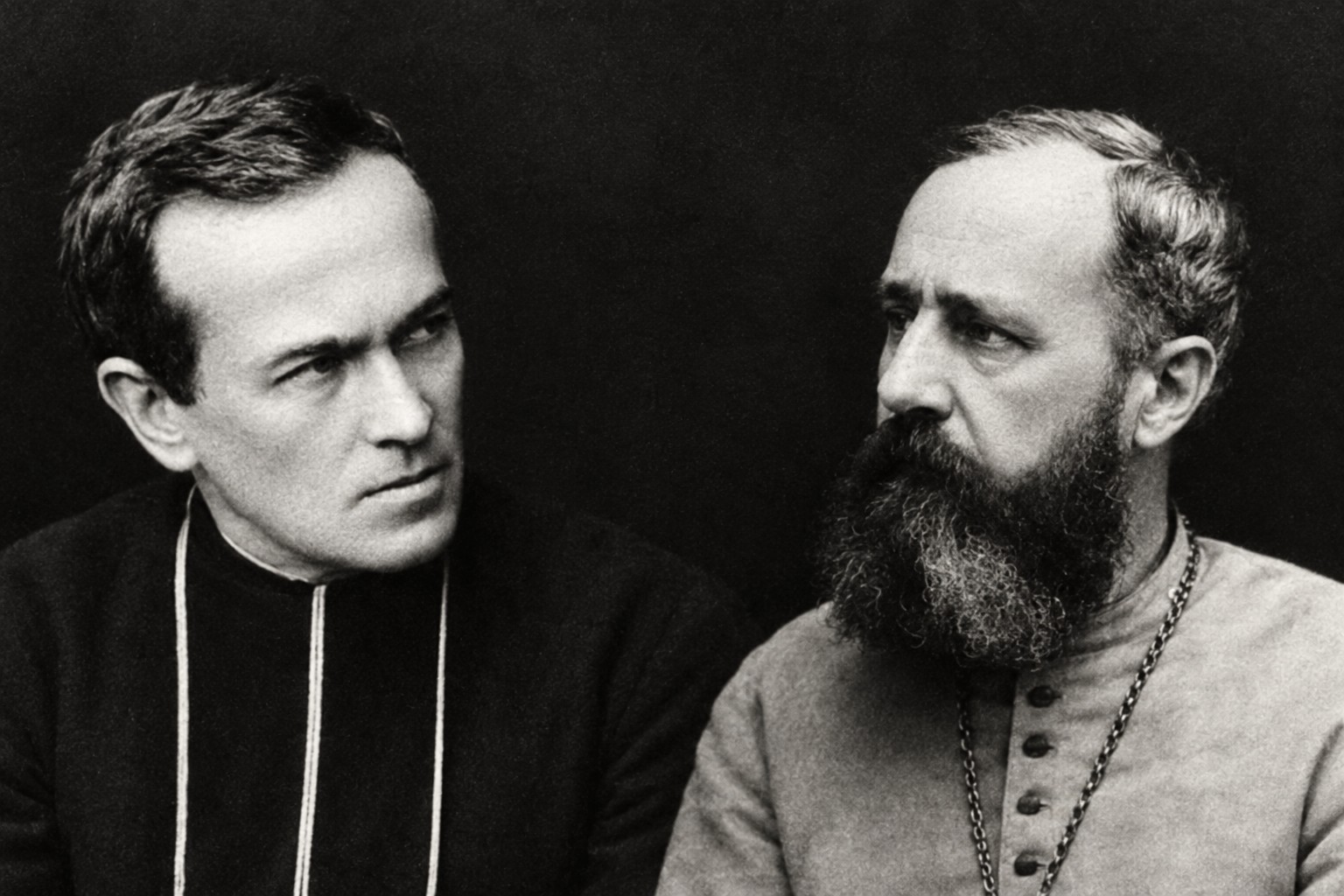
This conviction did not begin with Fr. François. It goes back to the very foundation of the Society. Venerable Melchior de Marion Brésillac, who gave the SMA its life and its spirit, wrote:
“In any society, the various members all contribute to the good being done by the whole Society, no matter what particular function each has been given. For the objectives can be attained, not by the efforts of any individual member, but the combined effort of many.” — Venerable Melchior de Marion Brésillac, Retreat to Missionary, 80.
The founder understood something essential: that shared effort is not merely a means of accomplishing the mission, but the manner in which the mission is truly lived.
Listening. It is the word at the heart of it all. For this to happen, as Prof. Amy Edmondson reminds us, the environment must first be safe enough:
“When a work environment has reasonably high psychological safety, good things happen: mistakes are reported quickly, seamless coordination across groups is enabled, and potentially game-changing ideas for innovation are shared.”
Pope Francis brings it home to the Church’s deepest identity: “Truth is not possessed, but sought together, allowing ourselves to be guided by a restless heart in love with Love.”
Working as a team is not simply an organisational strategy for the SMA. It is an expression of who the Church is — a people called to walk together, listen together, and discern together. On the eve of Pentecost, in five small rooms, that is exactly what was happening.
Leave a Reply