
When Freedom Is No Longer an Abstraction
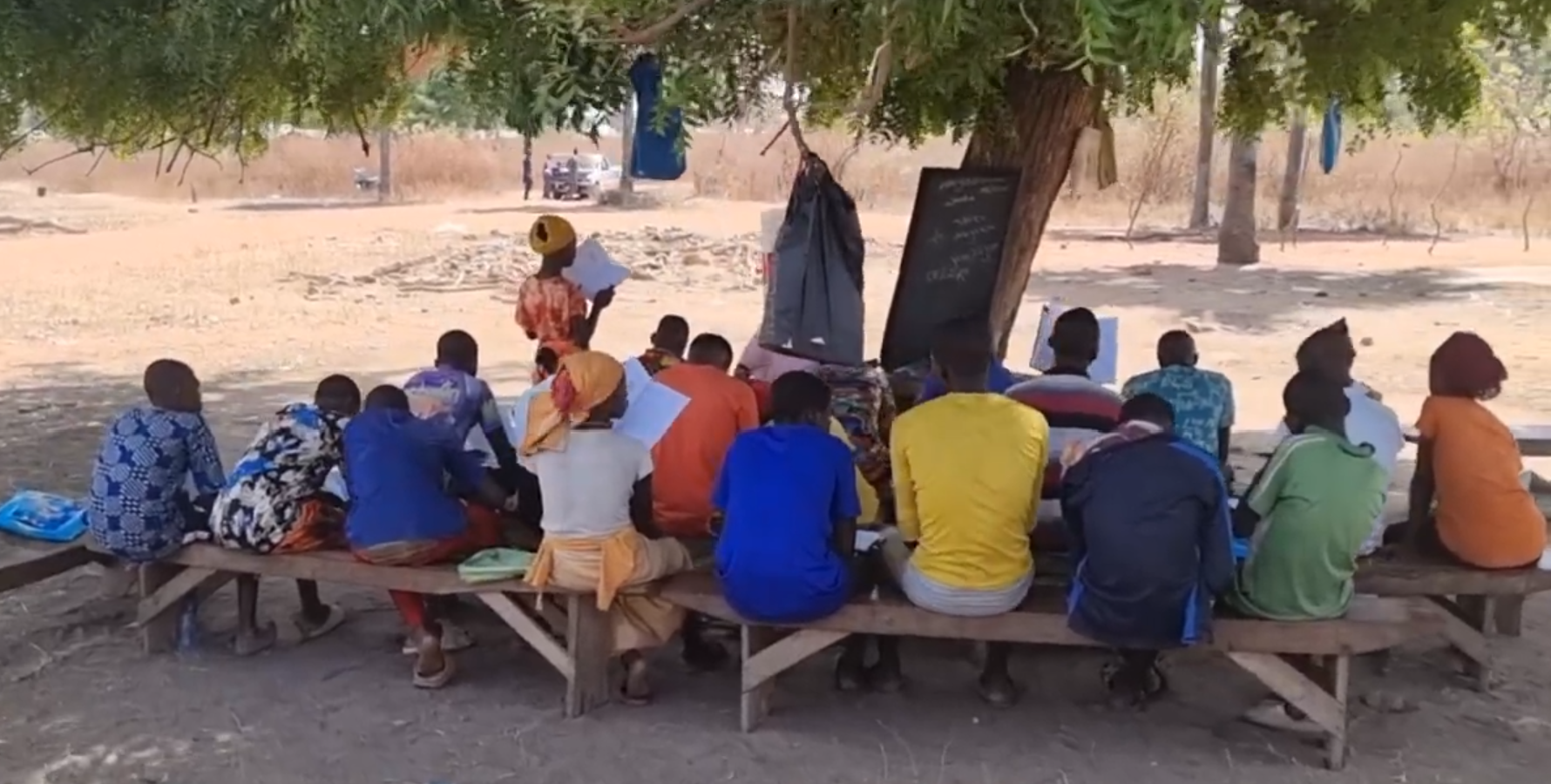
In late 2025, news emerged from Nigeria that deeply unsettled many beyond its borders. Armed men abducted schoolchildren from St. Mary’s Catholic Primary and Secondary Schools in Papiri, turning a place meant for learning and safety into a space of fear and captivity. Weeks later, after long days of anguish for families and communities, the last group of children was finally released.
The attack struck a region where the Society of African Missions (SMA) has long been present and deeply rooted. The SMA was at the origin of the Catholic mission in the Kontagora area, contributing decisively to the pastoral and educational development of the local Church.
The school that was attacked, though now under diocesan responsibility, was built through missionary commitment and continues to be supported in concrete ways. Its day-to-day management is entrusted to the Sisters of Our Lady of Apostles, whose presence reflects a shared missionary vision of education as service to life, dignity, and hope.
This made the kidnapping not only a national tragedy, but also a deeply personal wound for a Church that lives close to the people it serves.
The children’s return was marked by relief, prayer, and gratitude—but also by lingering questions.
What does freedom mean to a child whose classroom can suddenly become a place of confinement? How fragile is freedom when security collapses? And what responsibility does a society bear when the most vulnerable are exposed to violence?
Such events force us to confront an uncomfortable truth: freedom is not guaranteed. It can be threatened, restricted, or taken away—not only by ideology or law, but by fear, instability, and the breakdown of social protection.
Freedom: Celebrated, Contested, and Often Misunderstood
Freedom has always occupied a central place in human history. It is celebrated, defended, and claimed across cultures and generations. Yet it is also one of the most misunderstood concepts of our time.
In some contexts, freedom is presented as an absolute value: the ability to choose without limits or obligations. In others, it is tightly controlled, restricted in the name of order, security, or collective survival. Between these two extremes, societies struggle to find balance.
Recent global experiences—from health crises to ethical debates and social conflicts—have shown how quickly freedom becomes a point of tension between individual dignity and collective responsibility.
The Illusion of Absolute Freedom
History suggests that freedom detached from any shared reference to truth, justice, or responsibility does not lead to greater humanity. When freedom becomes purely individual and self-referential, it risks turning into a struggle of competing wills, where the strongest voices prevail.
Such an understanding of freedom often promises liberation, but delivers fragmentation. Relationships weaken, trust erodes, and society becomes less capable of protecting those who cannot protect themselves—such as children, the poor, or minorities.
The Nigerian school kidnapping painfully illustrates this reality: when social structures fail, freedom becomes vulnerable, especially for those who depend most on others for protection.
Freedom Cannot Be Reduced to Control Either
At the same time, history has shown that freedom cannot be imposed or suspended without serious consequences. Systems that seek to control conscience, choice, or personal responsibility ultimately undermine the very humanity they claim to protect.
This tension is not new. As John Paul II often emphasized, freedom is not something granted by authority as a favor. It belongs to the human person by nature. Without it, personal growth, creativity, and responsibility become impossible.
Yet freedom, precisely because it is powerful, requires an environment that sustains it.
Freedom Is Relational by Nature
Human beings do not live in isolation. Our choices affect others—sometimes in ways we do not immediately see. For this reason, freedom cannot be understood apart from society.
Society is not the enemy of freedom; it is its condition of possibility. Laws, institutions, and shared norms exist not to suffocate freedom, but to protect it—especially for the vulnerable. When these structures fail, freedom becomes fragile and unevenly distributed.
True freedom, therefore, is not simply the ability to choose, but the ability to choose in a way that allows others to remain free as well.
Freedom, Truth, and Responsibility
Freedom flourishes when it is linked to truth and responsibility. This does not mean possessing absolute certainty, but remaining open to reality, to dialogue, and to the consequences of one’s actions.
Every free act shapes not only the individual, but the wider human community. Many of the advances that have improved human life—scientific, cultural, and social—were born of free initiative exercised with a sense of responsibility toward others.
Freedom detached from responsibility weakens society. Responsibility without freedom dehumanizes it. Holding the two together remains one of humanity’s most demanding tasks.
A Quiet Christian Insight
From a Christian perspective, freedom is oriented toward growth, relationship, and fulfillment. It is not an end in itself, but a path toward becoming more fully human.
Faith does not eliminate the tension between freedom and society; it helps to inhabit it with discernment. It invites neither moralizing control nor careless autonomy, but a patient search for ways in which freedom can serve life.
Freedom as a Shared Task
The story of the Nigerian children reminds us that freedom is never purely private. It depends on social conditions, collective responsibility, and a shared commitment to human dignity.
Freedom and society are not rivals. They belong together—sometimes uneasily, always imperfectly—but inseparably. Only when freedom is lived with and for others can it endure.
In a world marked by uncertainty and fear, rediscovering this balance may be one of the most urgent tasks of our time.
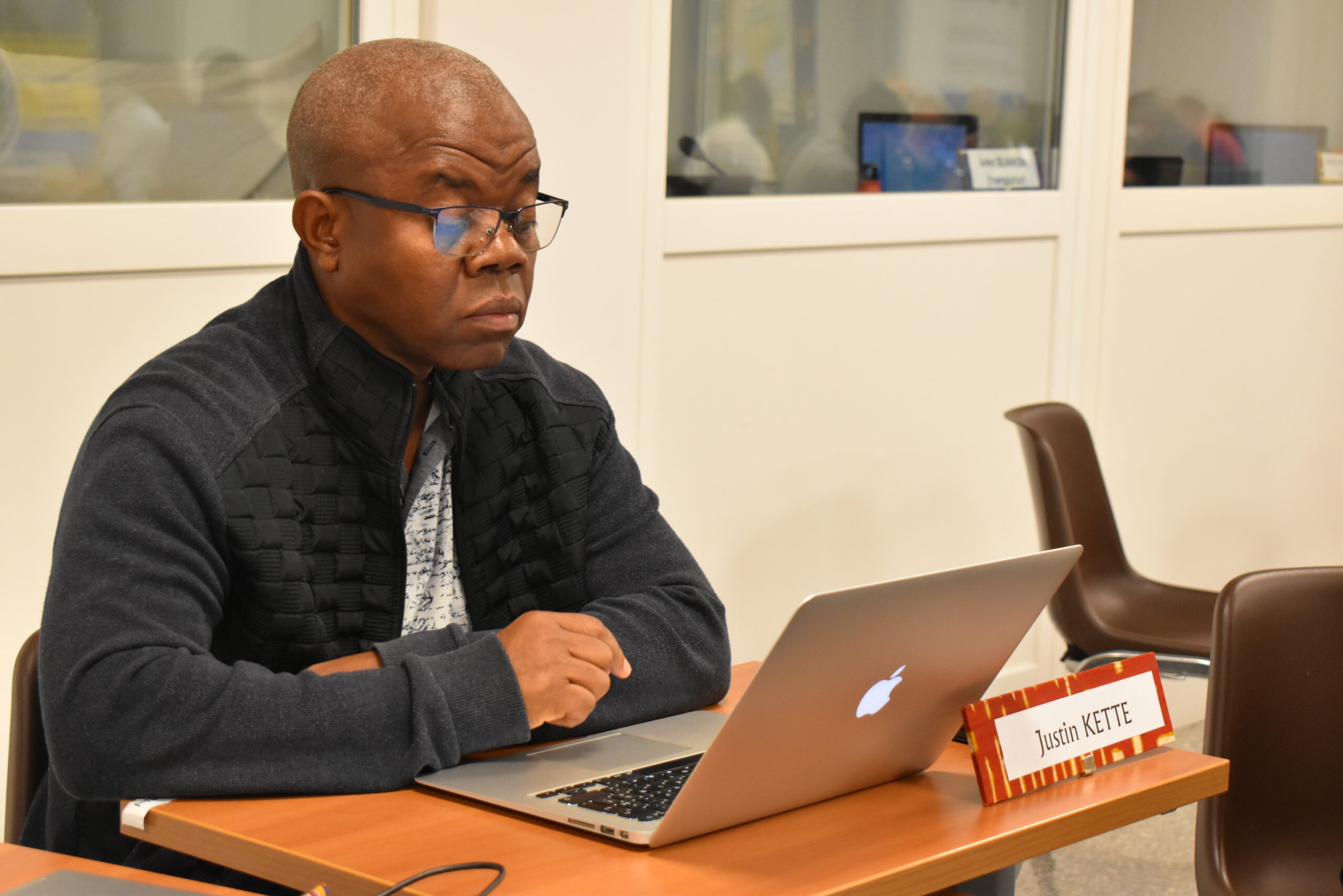
Photo BK
by Pierre-Paul Anani Dossekpli

Leave a Reply