

by Pierre-Paul Anani Dossekpli
What Remains After a Jubilee?
The Jubilee 2025 has now come to an end. Pilgrimages have concluded, Holy Doors have been closed, and public celebrations have given way to ordinary time. Yet the questions raised during the Jubilee remain very much alive.
Traditionally, a Jubilee is never only a spiritual pause. From its biblical roots, it has carried social implications: the remission of debts, the restoration of relationships, and a rebalancing of life where inequality had hardened into structure.
Now that the Jubilee year has passed, a quieter but more demanding question emerges:
What changes, if any, does it leave behind?
Debt That Is More Than Financial
Throughout the Jubilee, attention was repeatedly drawn to the reality of debt—not only economic, but also ecological and moral. Many countries of the Global South continue to bear heavy financial burdens, often inherited from historical systems that constrained their development. At the same time, these regions suffer disproportionately from environmental degradation, even though they have contributed the least to it.
This tension exposes a deeper issue:
Can global systems that focus narrowly on repayment and growth adequately account for human dignity, historical responsibility, and environmental limits?
In other words, do the rules that govern the global economy truly reflect the realities and limits of human life and the planet?
The Jubilee did not resolve these questions. It brought them into sharper focus.
The Church’s Contribution: A Distinctive Voice
When the Church addresses questions of debt, ecology, and global inequality, she does not offer technical economic solutions. Her contribution is of another order.
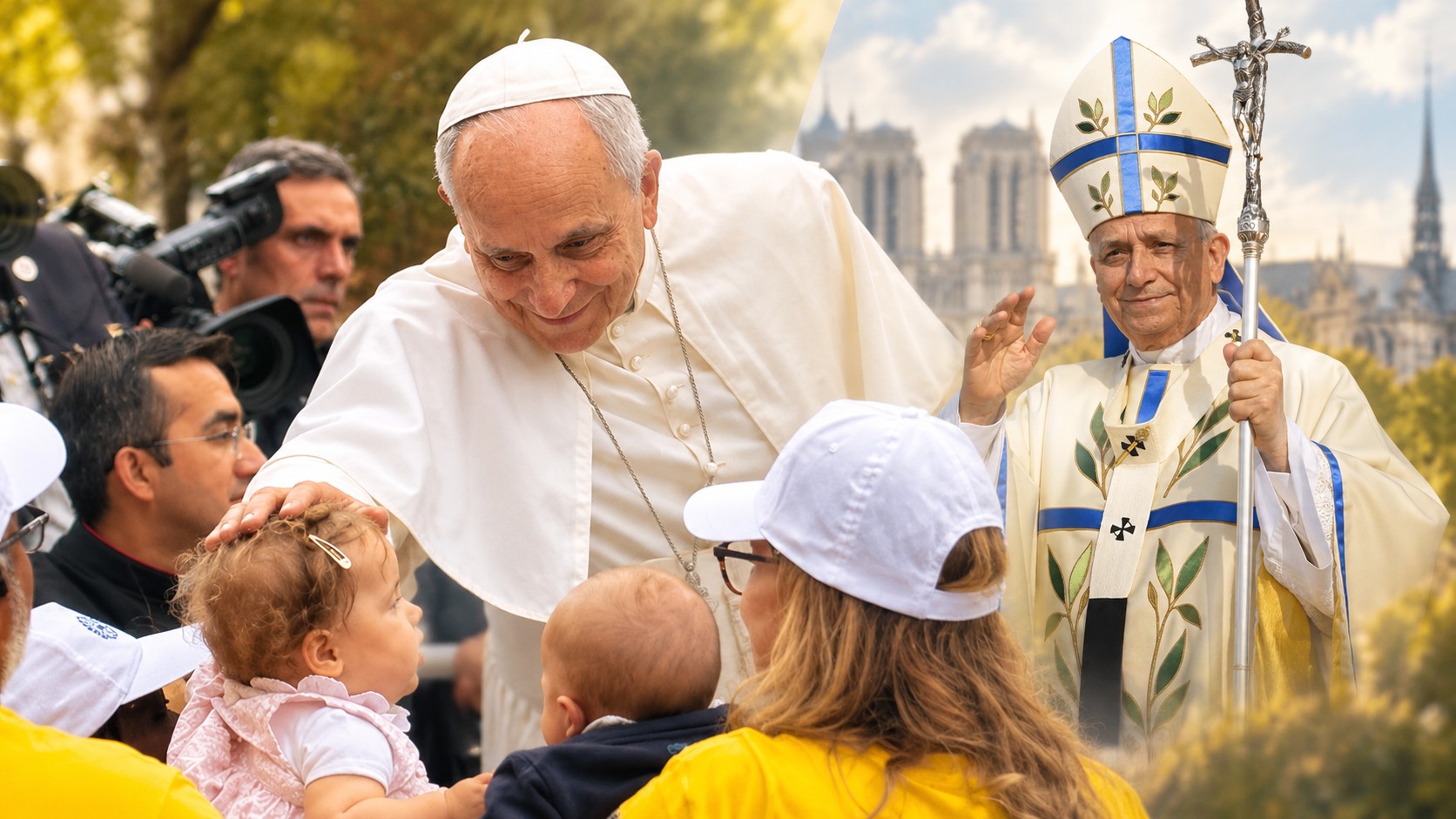
Under Pope Francis, particularly through Laudato Si’, the Church has insisted on an integral vision: economic structures, environmental health, and human life cannot be treated separately. Systems must be evaluated not only by efficiency or growth, but by their impact on people—especially the most vulnerable.
This approach resists ideological classification. It challenges market absolutism without ignoring responsibility, and critiques structural injustice without denying the importance of good governance and local agency.
A Bridge That Remains Necessary
One of the enduring roles of the Church, highlighted during the Jubilee, is her capacity to stand between worlds. She is present in affluent societies and impoverished ones, in centers of power and in forgotten margins. This position allows her to act—not as judge—but as a bridge.
In global discussions, Church voices have emphasized that responsibility for today’s crises is shared, though not symmetrical. Some debts are financial, others ecological; some are historical, others structural. Recognizing this complexity is not about assigning blame, but about cultivating co-responsibility.
If the Jubilee has ended, the need for such bridges has not.
Ecology and Economy as Lived Experience
Environmental degradation is often discussed in abstract terms. On the ground, however, it is experienced as loss of land, forced migration, food insecurity, and social instability.
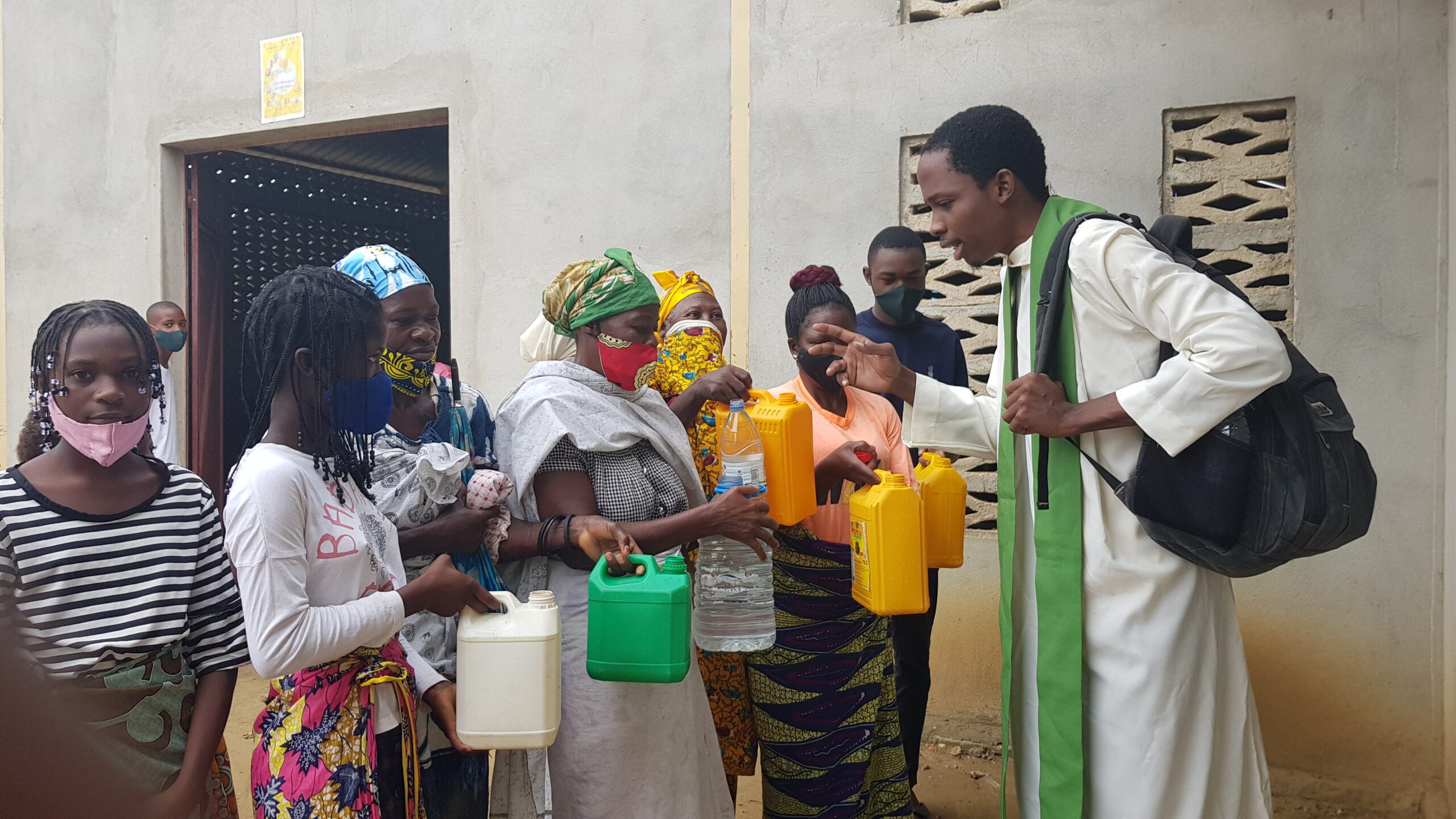
For missionary communities such as the SMA, these realities are not theoretical. They are part of daily accompaniment: farmers facing depleted soil, families displaced by climate stress, young people leaving because local economies can no longer sustain life.
Here, the link between ecological and economic debt becomes visible—not as an academic concept, but as lived human vulnerability.
Jubilee as a Lens, Not a Solution
The Jubilee tradition does not provide ready-made answers. Instead, it functions as a lens—a way of seeing reality differently. It invites societies to pause, reassess inherited systems, and ask whom they truly serve.
Seen this way, the end of the Jubilee is not a conclusion but a transition. The symbolic moment has passed; the responsibility remains.
Rupture Rather Than Transition
The Jubilee also invites a more honest assessment of the moment the world is facing. The pressures surrounding debt, ecological limits, and persistent inequality do not point to a simple adjustment of existing systems. They signal a deeper rupture, in which inherited economic, financial, and environmental frameworks are no longer able to respond adequately to the realities they shape.
As one recent analysis has observed, “you cannot live within the lie of mutual benefit through integration when integration becomes the source of your subordination.” In this sense, the Jubilee does not suggest minor corrections, but calls for lucidity about narratives and structures that can no longer continue as before.
Beyond Fortresses: Shared Responsibility
In moments of rupture, the temptation to retreat is strong. When systems become unstable, the instinctive response is often to protect one’s own interests—securing resources, reinforcing economic boundaries, and shifting costs elsewhere. Yet a world organized around financial, ecological, or political fortresses risks becoming more fragile and less sustainable.
The Jubilee points instead toward a different horizon: one of shared responsibility—unequal, yet real—where interdependence is acknowledged, visible and invisible debts are faced, and resilience is built without placing the burden on the most vulnerable.
Missionary Insight: Listening After the Celebration
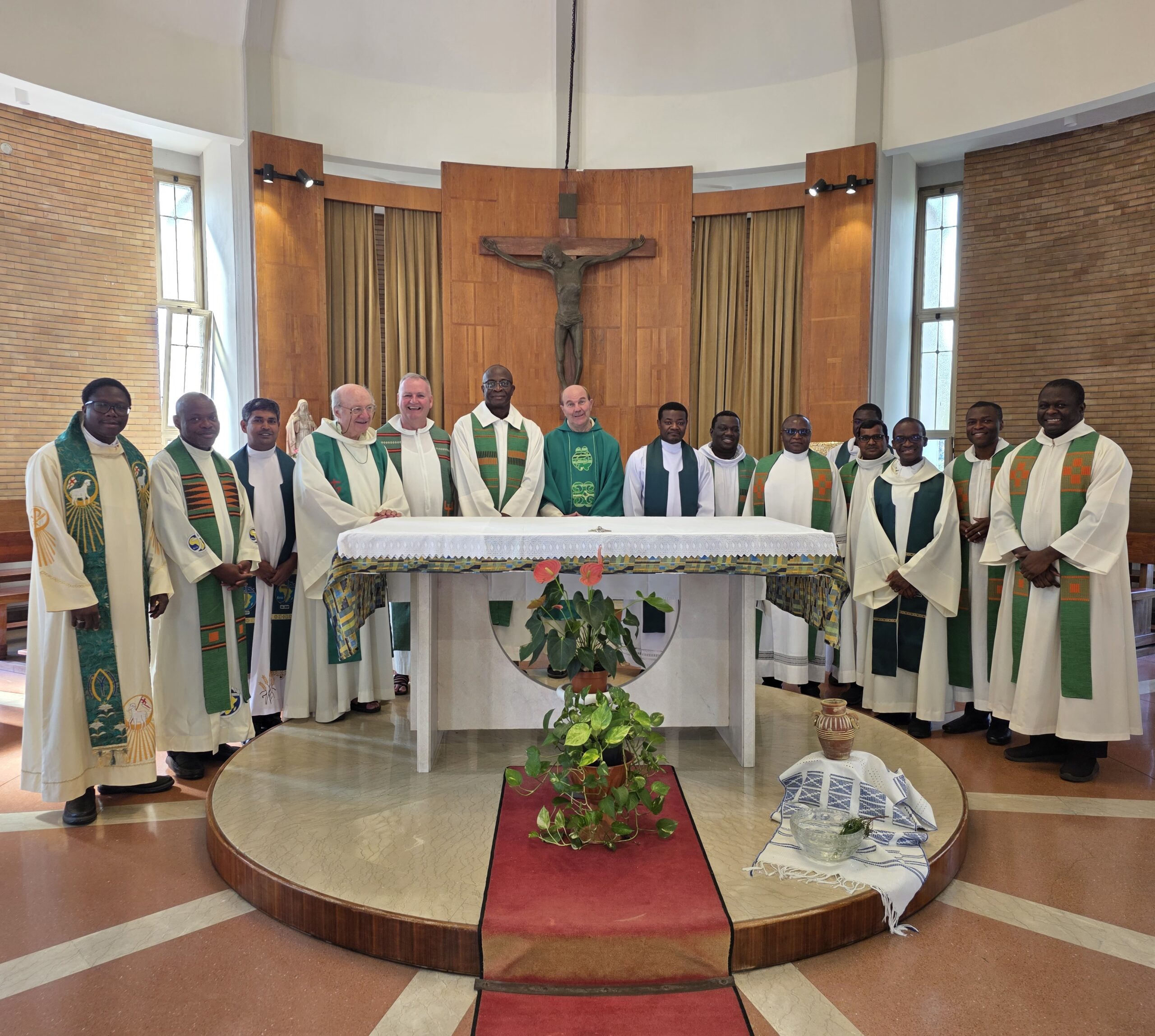
For missionary communities like the SMA, the Jubilee exemplifies a common pattern: decisive moments are judged more by their aftermath than by their symbolism. In his closing speech at the 2025 SMA General Assembly, the Superior General highlighted that assemblies and significant church events do not end with resolutions alone but with the duty to uphold their spirit in everyday mission.
What matters most begins after the doors are closed—when renewed convictions must be translated into long-term presence, discernment, and concrete choices.
This perspective shapes how the SMA approaches questions of debt, ecology, and inequality. These are not treated primarily as abstract policy issues, but as realities encountered alongside communities affected by environmental degradation, economic vulnerability, and social imbalance. From this vantage point, the Jubilee functions less as a conclusion than as a lens—sharpening attention to shared responsibility once the symbolic moment has passed, and grounding global concerns in lived human experience.
Shared Responsibility After the Jubilee
The Jubilee year may be over, but the world it sought to illuminate has not changed overnight. Debt remains. Ecological pressure continues. Inequality persists.
If freedom, as explored earlier in this series, is relational, then responsibility must also be shared. And if faith is truly incarnate, it cannot disengage once the celebrations end.
What remains after the Jubilee is not a program, but a question—quiet, persistent, and necessary:
How do we reorder our relationships—between nations, generations, and the earth itself—so that justice and sustainability grow together?

Leave a Reply