
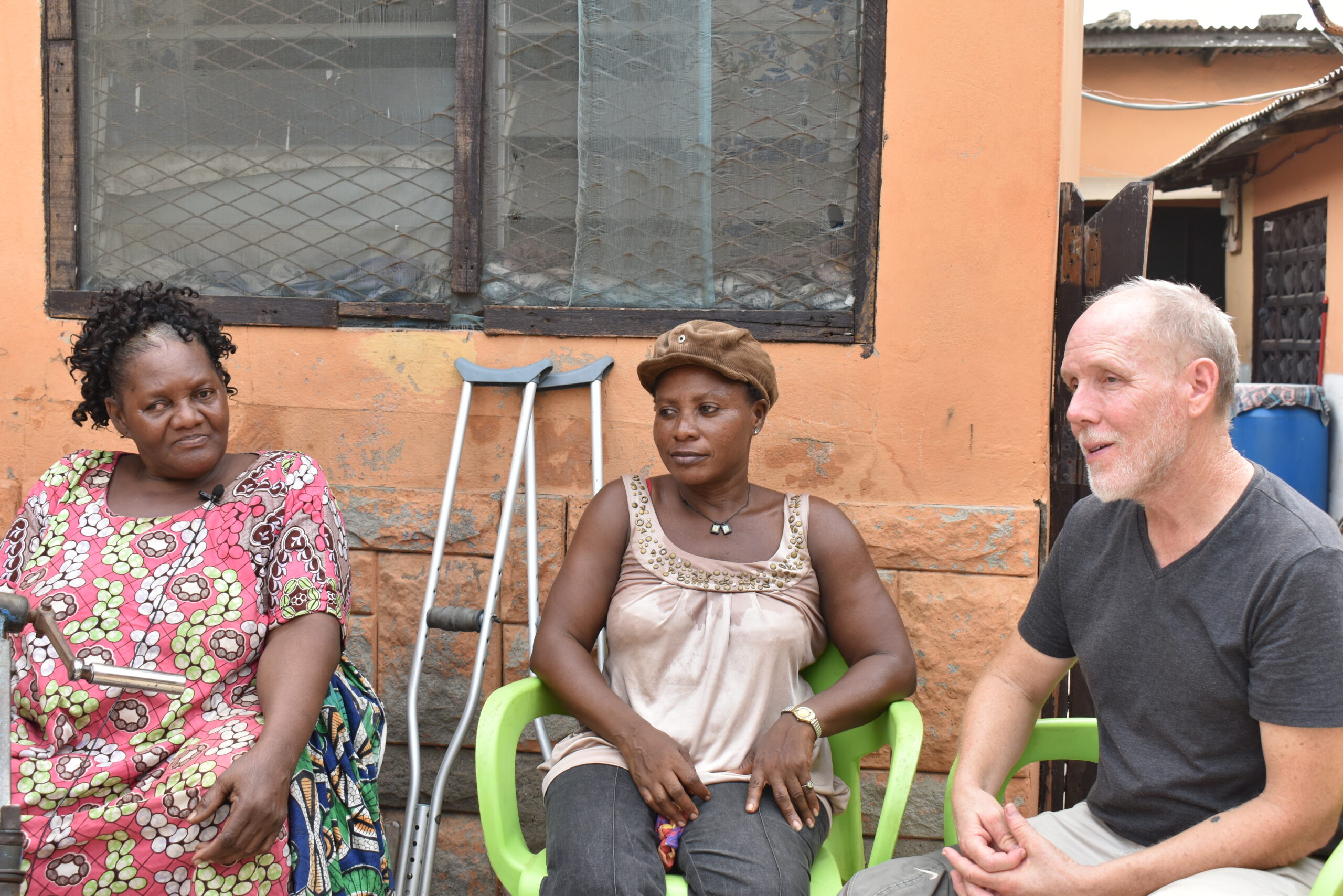
For four decades, Hope for Life has been a source of support, dignity, and opportunity for people living with disabilities across Ghana. What began as a small initiative has grown into a vibrant network of communities, united by a shared mission: to empower individuals to live independently and with confidence. As the organization celebrates its 40th anniversary, its impact can be seen not only in numbers, but in the lives transformed through compassion, commitment, and community support.
Building Independence Through Community
Hope for Life was founded on a simple but powerful idea, that people with disabilities should not be defined by their limitations, but supported in reaching their full potential. Over the years, the organization has developed programs focused on:
- Vocational training
- Medical support and rehabilitation
- Community engagement
- Social and emotional support
These initiatives aim to equip members with the skills and confidence needed to lead meaningful and productive lives. A key part of this approach is the emphasis on community involvement. Rather than replacing the role of families, Hope for Life works alongside them, encouraging shared responsibility and long-term sustainability.
Reaching People Where They Are
Beyond structured programs, Hope for Life places great importance on personal connection. Through regular home visits, known as Care Days, staff and volunteers meet members in their own environments.
These visits provide an opportunity to:
- Understand individual challenges
- Offer guidance and encouragement
- Identify areas where support is most needed
Each visit reveals a unique story.
One such story is that of Esther, a 17-year-old girl living with cerebral palsy. She is cared for by her grandmother, who, despite her age and declining strength, carries the full responsibility of her daily care. As Esther grows, so do the physical demands. Lifting her, washing her, and meeting her daily needs has become increasingly difficult for the grandmother. For the team, moments like these are not only emotional, they are also deeply challenging.
Sometimes, there are no clear solutions.
As Mr. Steve Phillips, Hope for Life’s director reflects, beyond offering encouragement and basic guidance, it can be difficult to know what more can be done. Access to professional care is limited, and there are no institutions readily available to take over such responsibility. In these situations, Hope for Life turns to the strength of the community, encouraging relatives, such as Esther’s aunt, and neighbors to become more involved in her care.
But the uncertainty remains.
What will happen when the grandmother is no longer able to care for her?
It is a question without an easy answer,and one that highlights the complex reality many families face.
Stories like Esther’s reveal not only the resilience of caregivers, but also the gaps that still exist in support systems for people with disabilities.
Making Difficult Choices
With limited resources and many families in need, Hope for Life must carefully determine how best to provide support. This is where local branch coordinators play a crucial role. As members of the community, they have a deep understanding of each family’s situation. Their insight helps the organization identify those who need assistance most urgently, ensuring that available resources are used effectively. This thoughtful and community-driven approach allows Hope for Life to create meaningful and lasting impact.
Stories of Transformation
Despite the challenges, the results of this work are powerful. Over the years, many individuals who once depended on support have gone on to achieve remarkable milestones. Some have pursued higher education, built careers, and even taken on leadership roles within their communities.These success stories are a testament to what is possible when support, opportunity, and determination come together. They also serve as a reminder that disability does not define a person’s potential.
Facing Ongoing Challenges
While the impact of Hope for Life is significant, the journey has not been without obstacles. One of the greatest challenges the organization faces is financial sustainability. With fewer donors over time, maintaining programs and expanding outreach efforts has become increasingly difficult. In addition, broader issues, such as limited accessibility, social stigma, and lack of resources, continue to affect the lives of people with disabilities across the country. Yet, despite these challenges, the organization remains steadfast in its mission.
Looking Ahead with Hope
As Hope for Life marks 40 years of service, its vision for the future remains clear: to grow stronger, reach more people, and continue advocating for a more inclusive society. There is a shared belief among staff, volunteers, and members that progress is possible, and that every step forward brings new opportunities.
A Community Built on Hope
At its core, Hope for Life is more than an organization. It is a community, one built on compassion, resilience, and the belief that everyone deserves the chance to live with dignity. The journey of members like Esther reminds us of the challenges that remain, but also of the importance of standing together in support.
Because when communities come together, hope becomes stronger, and lives are transformed.
Brice Ulrich AFFERI


Leave a Reply