

THE NEW ADVENTURE: March 20, 2024 marked the first time the SMA Philippine District ventured into the southern part of the country, made possible through the invitation of the Bishop of the Diocese of Butuan, Most Reverend Cosme Damian Almadilla, who established the mission station and placed it under the care of the SMA missionaries. Through this mandate, the SMA was authorized to animate the communities, nurturing their faith life, fostering active participation especially the indigenous people, and coordinate pastoral activities in their spiritual and social growth.
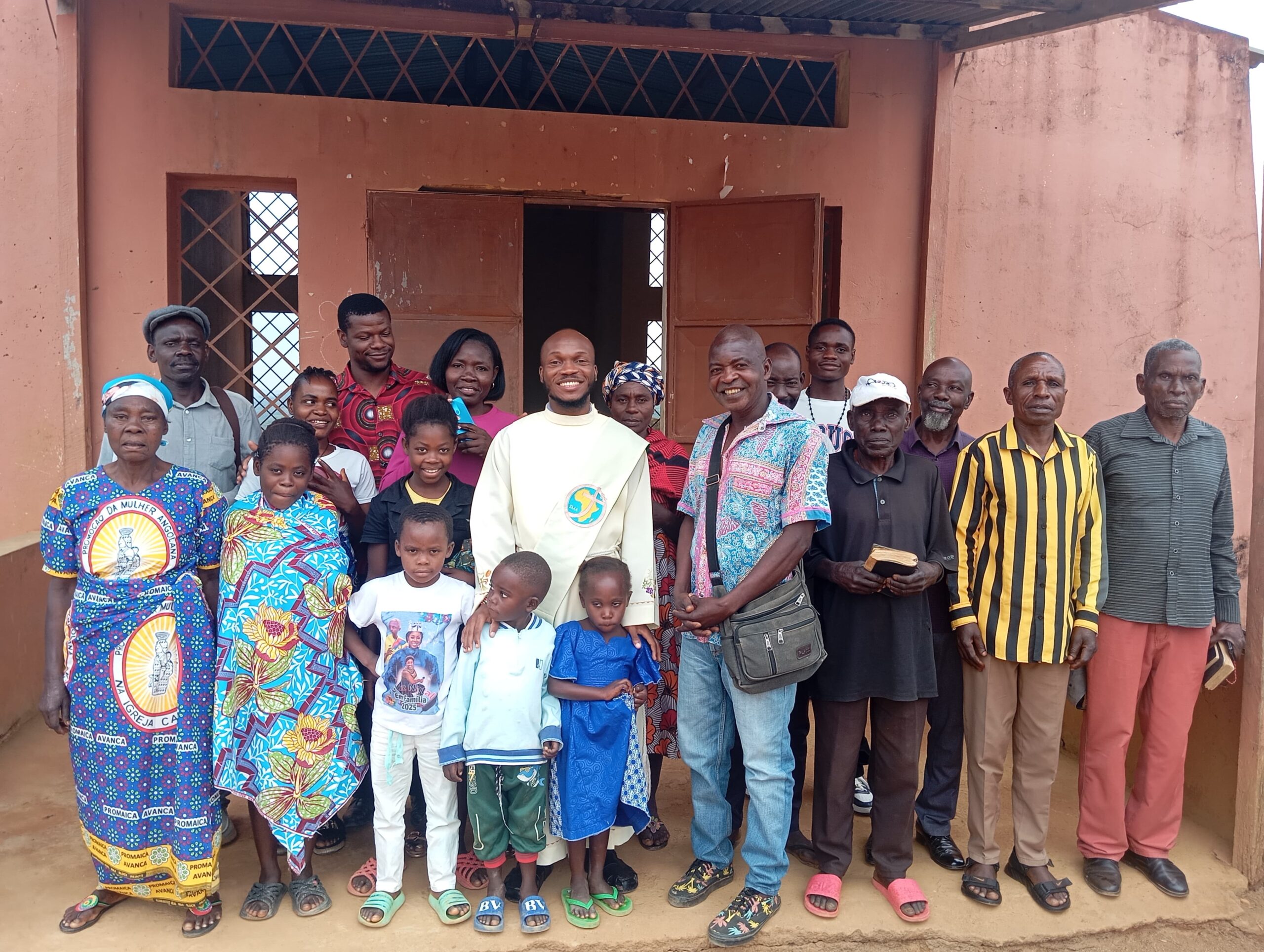
BASIC ECCLECSIAL COMMUNITY: The mission area is composed of eight chapels, with the main station located in Baleguian, serving as the center for pastoral coordination and community life. The life of the community is animated through family groupings, where eight to ten families gather together weekly, a primary space for faith sharing, fellowship and strengthen bonds of communion through prayer and mutual support. This family grouping, or Basic Ecclesial Community (BEC) serves as the foundation of the Church life at the grassroots level.
What is especially meaningful in this new mission is the presence of the Mamanwa tribe, an Afro-Asian indigenous community, whose culture and way of life enrich the mission and call for respectful and incarnational approach to evangelization. The mission approaches indigenous peoples with respect and dialogue.Through the support of the catechists and pastoral workers, the mission seeks to empower indigenous families, promote integral human development while walking with them as partners in hope and mission.
CHURCH ANIMATORS: The mission station has been blessed with committed Pastoral Leaders, Extraordinary Ministers of Holy Communion, Catechists, Lectors, and other lay ministries, all of whom play a vital role in animating the life of the communities. The Extraordinary Ministers of Holy Communion provide a great service by leading the Liturgy of the Word in each chapel every Sunday when a priest is unable to be present and by distributing the Holy Communion previously consecrated by the priest, ensuring that the faithful continue to be nourished spiritually. Catechists also play an active missionary role in assisting children, together with the Family and Life Apostolate in preparing for the sacraments and help facilitate pre-marriage seminars, accompanying families and couples in their journey of faith. Lectors and other ministries contribute to the reverent celebration of the liturgy, reflecting a growing sense of shared responsibility and active participation in this young mission.
SOURCE OF LIVING: The people in the mission community depend mainly on simple and traditional livelihoods. Most families earn their living through farming, especially rice planting and the cultivation of root crops such as cassava, sweet potato, and other fruits. Some households raise pigs and chickens for food and small income. Some community members work as carpenters, offering skilled labor within and beyond the area. Others work as laborers, or take on small daily-wage jobs to support their families. Because the mission is located near Lake Mainit, the second largest lake in the country, many families especially the Mamanwa, fishing is also important source of livelihood. Life in the mission is marked by hard work, simplicity and cooperation. Daily survival depends on the land, lake and mutual help among families. Despite limited resources, the people show resilience, faith and generosity toward one another.
CHALLENGES: The mission faces several challenges that affect the effective implementation of its pastoral and evangelizing programs. There remains a lack of basic facilities, particularly a training center for programs and catechesis, adequate office space, and a convent or residence for priests assigned to the mission.
There is also an insufficient supply of books, guides and catechetical materials needed by catechists in their teaching and formation work. This includes the need for ongoing formation programs for all ministers to strengthen their skills, deepen their faith, and ensure quality pastoral service.
In addition, the mission lacks essential liturgical resources, including liturgical books, vestments, and sacred vessels, which are necessary for the celebration of the Mass.
The mission further experiences a lack of service vehicle for missionaries, making it difficult to reach far-flung chapels and remote communities. Some of the chapels within the mission area are not yet fully constructed and continue to require structural completion, repair and basic facilities to serve as safe and dignified places of worship.
Furthermore, what comes from Sunday Masses and resources generated locally are not sufficient to sustain the present operational needs and pastoral needs of the mission.
To address these challenges, the mission seeks further support, assistance of generous benefactors and donors and aims to establish partnerships with organizations and institutions that can provide support for its ongoing pastoral and developmental initiatives of the communities.
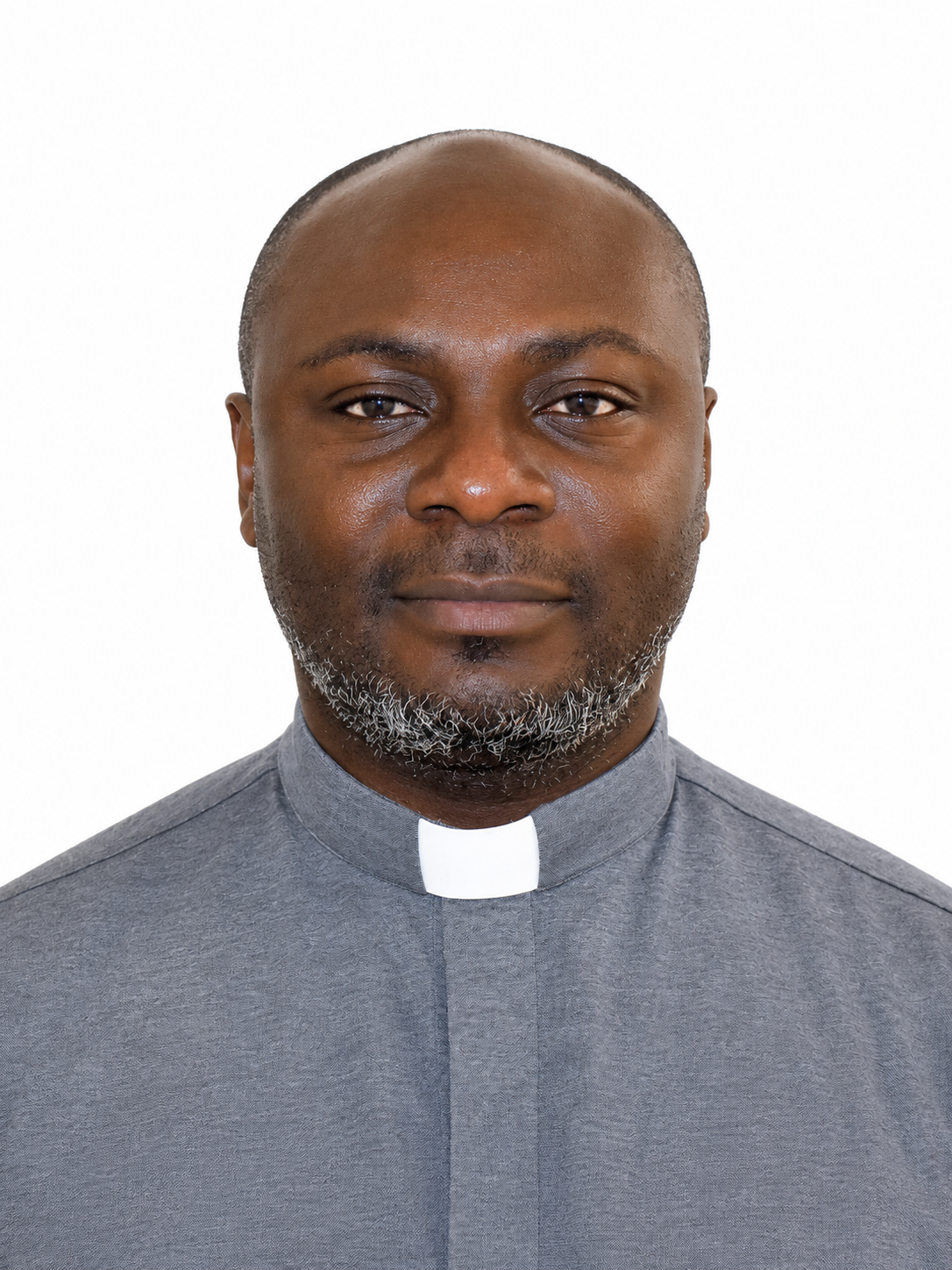
MISSIONARIES ASSIGNED: The mission station still under the mother Parish, Immaculate Heart of Mary in Kitcharao. However Fr. Cristopher Lumagbas, SMA who has been assigned and appointed as priest in-charge since the establishment of the mission on March 20, 2024 takes the leadership role. Subsequently, on December 11, 2025, Fr. Kristof Pachut, SMA from Poland arrived to join the mission. His coming marked the beginning of a team of missionaries, further strengthening the pastoral, evangelizing and formative ministries of the mission.
THE MISSION CONTINUES: “Many of the things in life we dream of, we will not live to see. It is a gift for the people of the future.” The mission continues its journey of hope, inspired by the Gospel call to walk together as synodal Church (Luke 24:13-35), trusting that the Lord accompanies his People along the way. Despite limitations, the mission draws strength from the promise that “those who hope in the Lord will renew their strength” (Isaiah 40:31) and from the assurance that God’s grace works through the generosity and faith of the people. In continuity with the missionary charism and ongoing progress of the Society of African Missions (SMA) in the southern part of the Philippines, the mission moves forward, and we with it, as missionaries of hope, committed to evangelization, accompaniment, and shared responsibility, confident that the seeds planted today will bear fruit in God’s time (1Cor 3:6).
Fr Cristopher Lumagbas, SMA


Leave a Reply